Assurance / standards

ISO-aligned. Not ISO-certified.

Standards are used as design inputs and control frameworks. Alignment does not imply certification, accreditation, product approval or compliance for a structural application.


ALIGNMENT CLAIMS ARE SCOPEDSTATUS REVIEWED 19 JULY 2026
Alignment matrix

Frameworks mapped to programme controls

Applicability and editions must be verified by the relevant competent professional before a formal test, pilot, certification or procurement submission.

FrameworkProgramme relevanceCurrent controlStatus
ISO 9001 / 10005 / 10006 / 10007Quality, project quality and configuration management.Document, version, change, approval and configuration registers.Partial alignment
ISO 31000 / 31010Risk principles and assessment techniques.Risk owner, cause, consequence, controls, residual risk and review.Implemented control
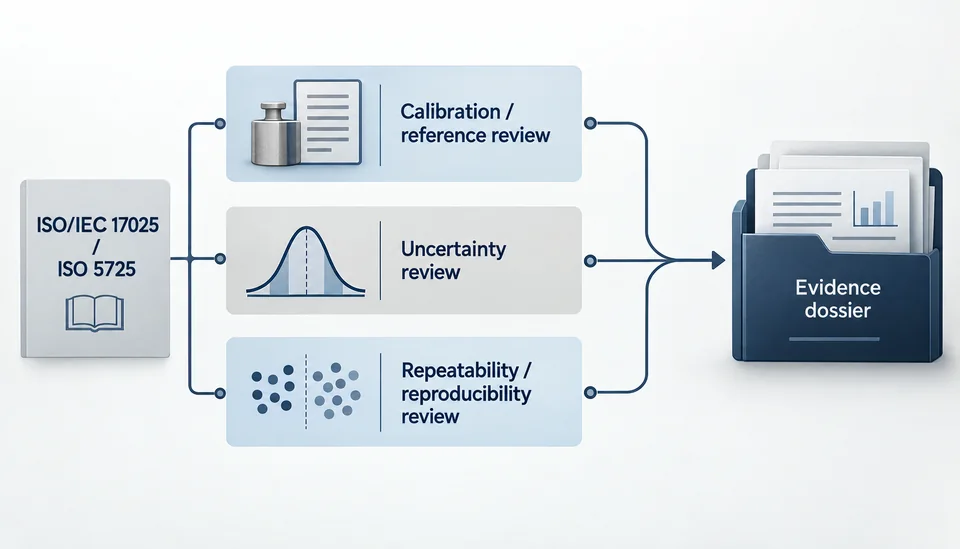
ISO/IEC 17025 / ISO 5725Laboratory competence and precision of measurement methods.Calibration, uncertainty, repeatability, reproducibility and evidence gates.Validation target
ISO 45001Occupational health and safety management.WHS release gate, SDS review and task risk assessment.Partial alignment
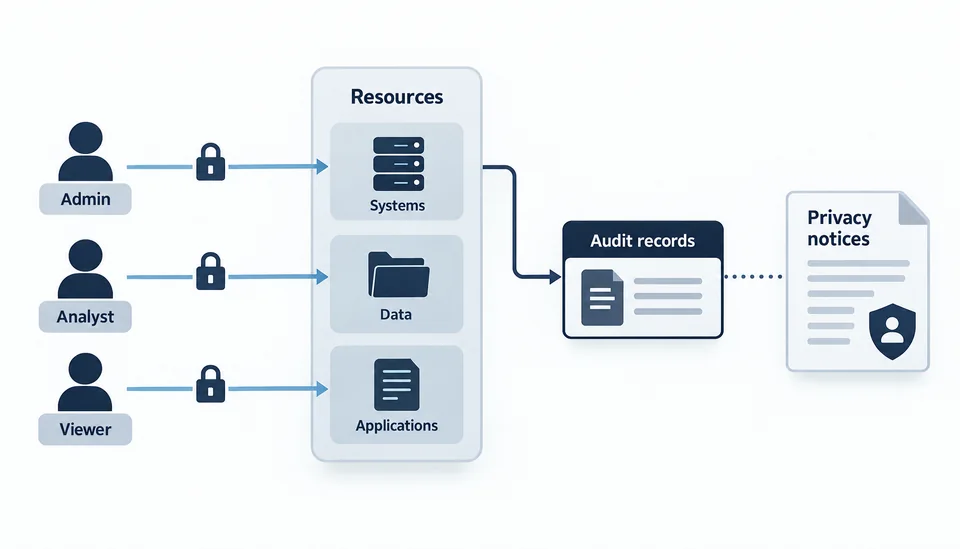
ISO/IEC 27001 / 27002 / 27005 / 27701Information security, privacy and security risk.Role-based access, least privilege, audit logs and privacy notices.Partial alignment
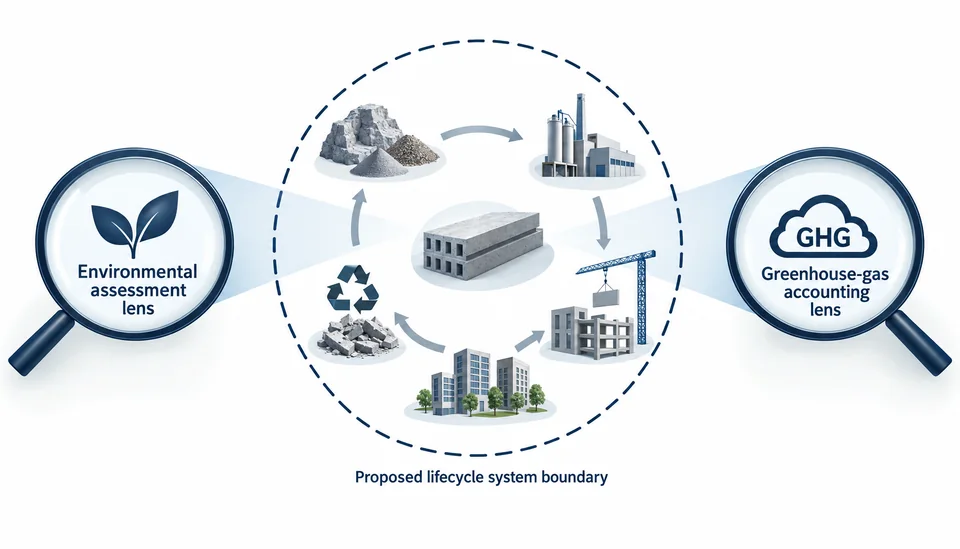
ISO 14040 / 14044 / 14064Lifecycle assessment and greenhouse-gas accounting.LCA boundaries and green-claim controls reserved for later-stage study.Future target
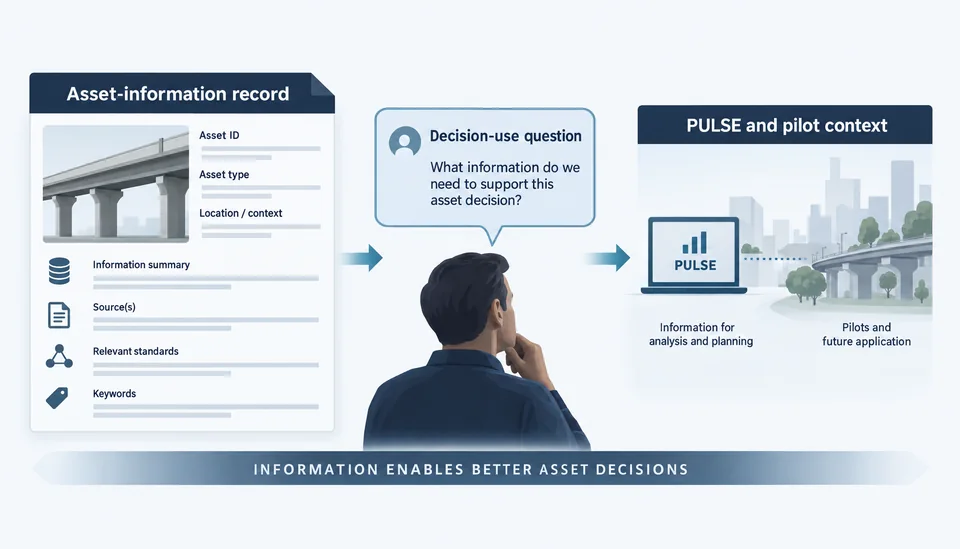
ISO 19650 / ISO 55000 seriesInformation management and asset management.Asset-information and decision-use framing for PULSE and pilots.Architecture target
ISO 23247 seriesManufacturing digital-twin reference architecture.Used directionally for digital thread and interoperability.Reference only
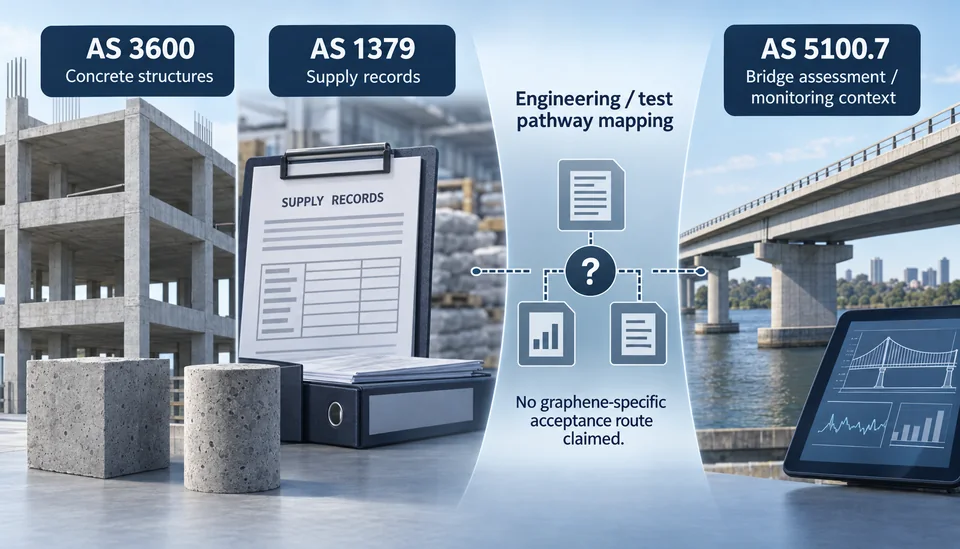
AS 3600 / AS 1379 / AS 5100.7Concrete structures, supply and bridge assessment/monitoring context.Engineering and test pathway mapping; no graphene-specific acceptance route claimed.Applicability review
Privacy Act 1988 (Cth) / PPIP Act 1998 (NSW)Personal information and NSW public-sector context.Privacy notice, access control and breach-response pathway.Partial alignment
Standards boundary
ISO 23247 is a manufacturing digital-twin series; it is an architectural reference for PULSE, not evidence of civil-infrastructure compliance. AS 3600 does not provide a graphene-specific product approval pathway.
Quality system

Six controls protecting scientific and commercial integrity

01

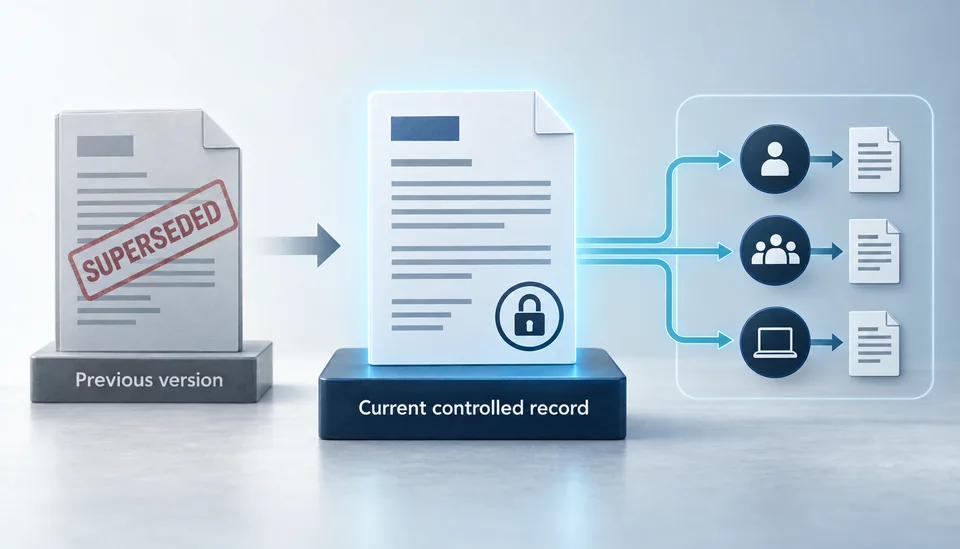
Document control

Owner, version, approval, effective date, supersession and controlled distribution.

02

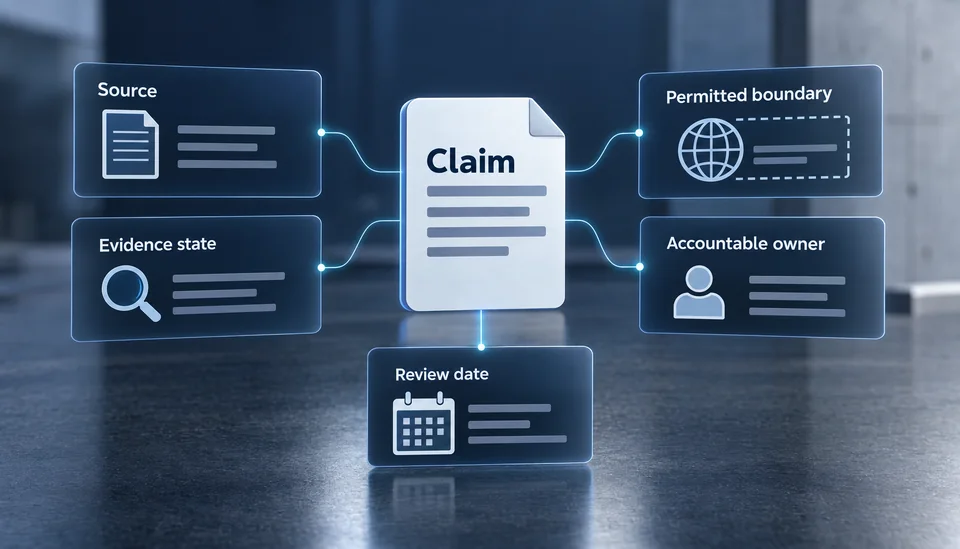
Claim control

Statement, evidence state, source, boundary, accountable owner and review date.

03

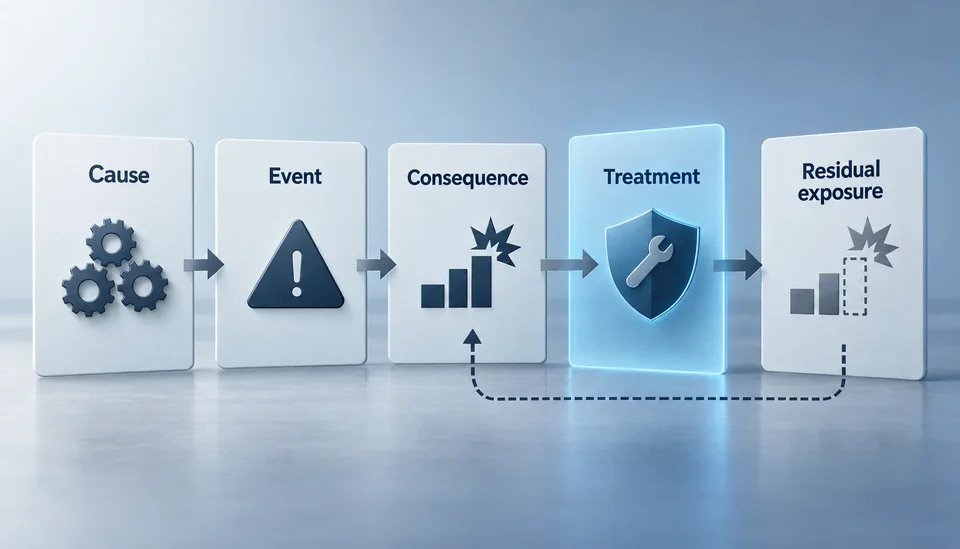
Risk control

Cause, event, consequence, likelihood, severity, treatment and residual exposure.

04

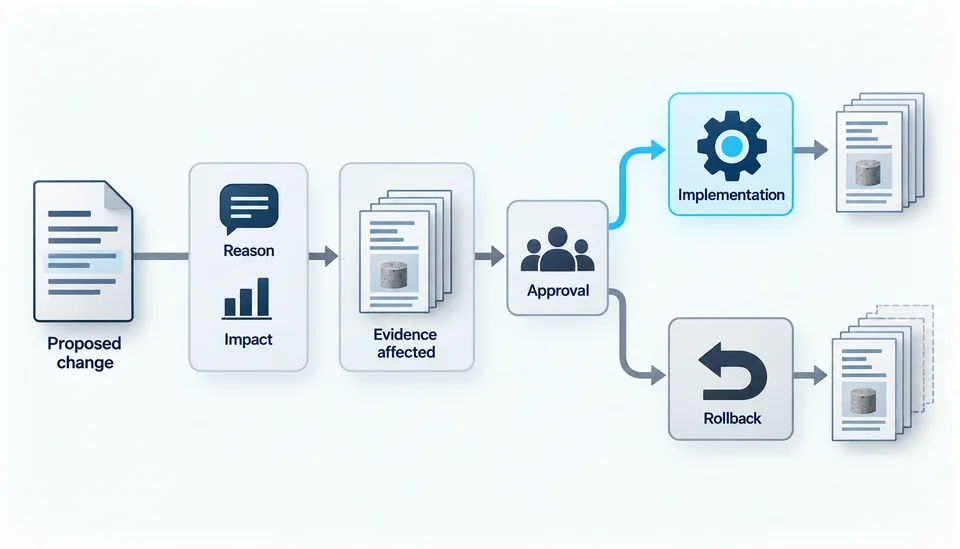
Change control

Reason, impact, approval, evidence affected, implementation and rollback.

05

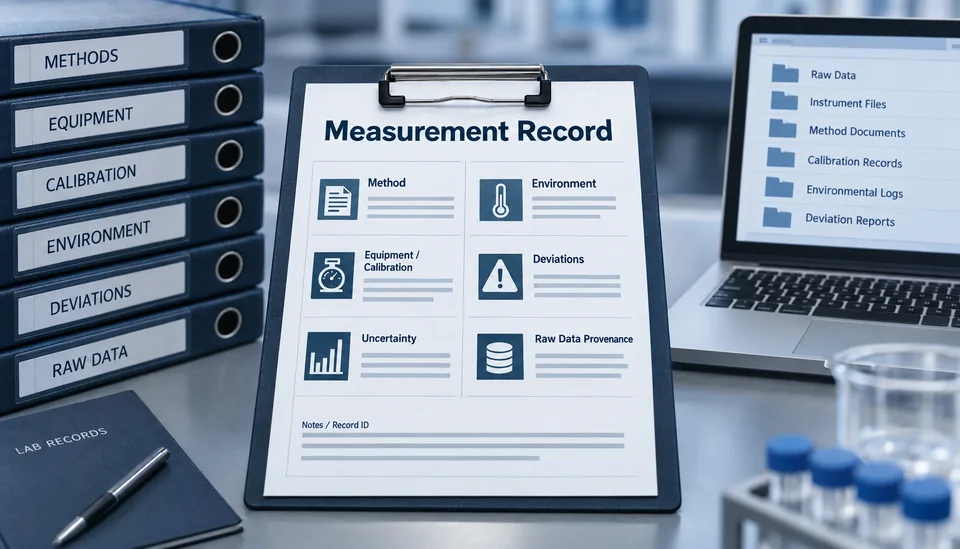
Measurement control

Method, equipment, calibration, uncertainty, environment, deviation and raw data.

06

Decision control

Gate criteria, evidence pack, dissent, decision authority and conditions of release.

Certification language

Terms the website uses precisely

TermPermitted meaningNot permitted to imply
AlignedA documented control has been mapped to selected requirements or principles.Independent certification, full conformity or accredited scope.
TestedA defined specimen or system was tested under stated conditions.Certified, compliant, statistically generalisable or field-proven.
ValidatedSpecified acceptance criteria were met for a defined intended use and boundary.Universal fitness, regulatory approval or indefinite durability.
PilotA controlled field-relevant research trial with conventional safeguards retained.Commercial deployment or safety-critical reliance.

Review the evidence pathway behind each control

Standards mapping becomes useful only when it changes protocols, records, responsibilities and release decisions.

Validation and gates →