A research programme built around falsifiable questions.
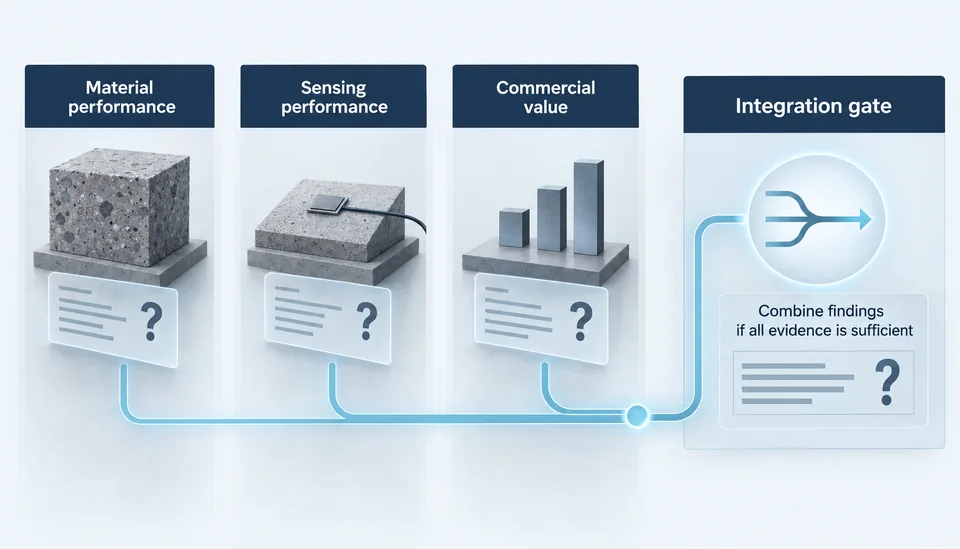
INFORM integrates an advanced cementitious material, embedded electrical response, data acquisition and PULSE analytics. The programme is staged so that material performance, sensing performance and commercial value are tested separately before they are combined.



Why infrastructure needs a better evidence chain
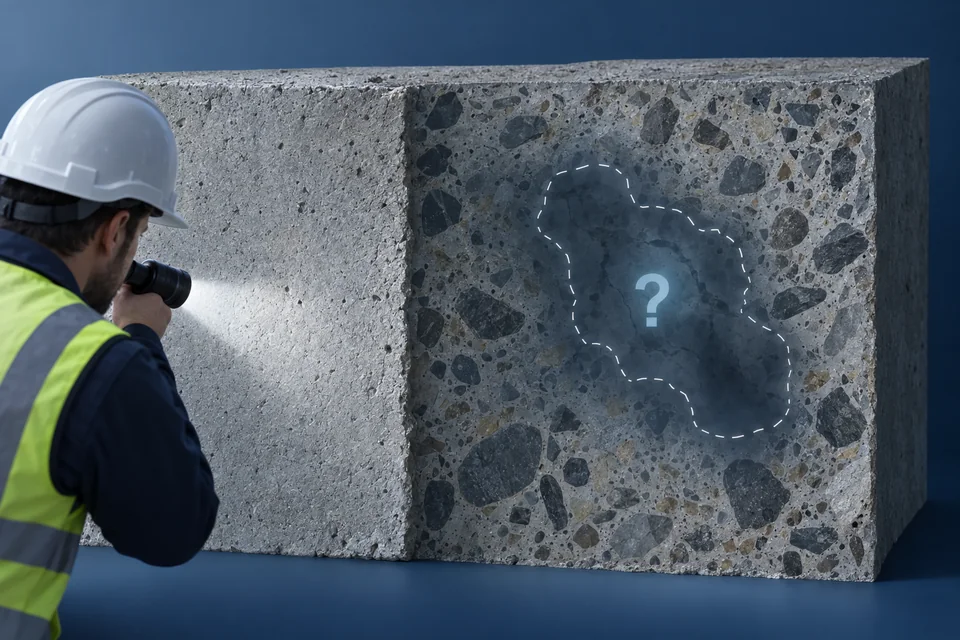
Concrete is difficult to interrogate
Damage may accumulate before conventional inspection provides a clear, localised and decision-ready signal.
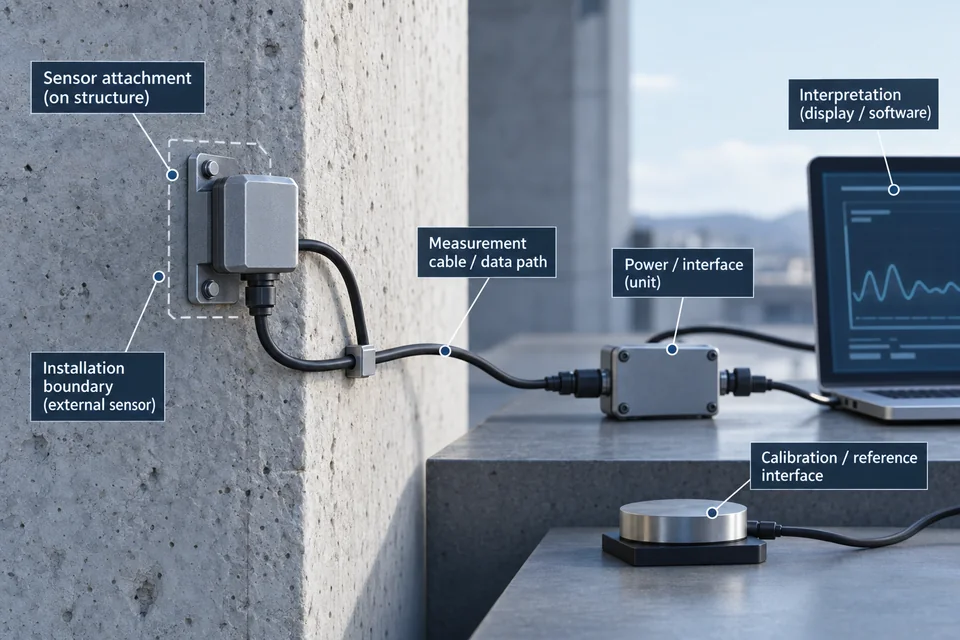
Sensors add interfaces
Separate sensors can introduce installation, durability, power, calibration and interpretation burdens.
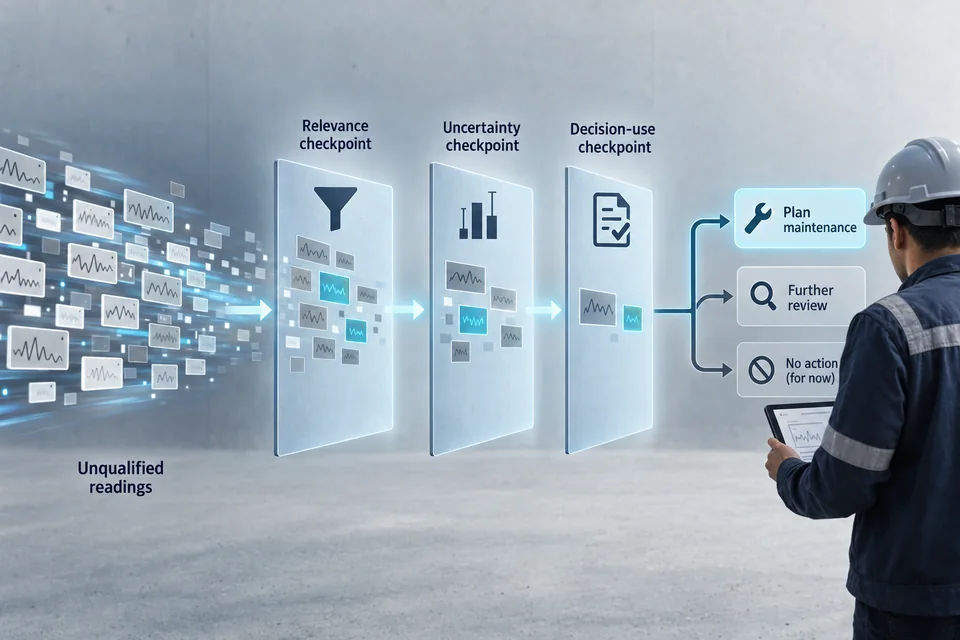
More data is not automatically more value
Monitoring must alter an inspection, maintenance or risk decision to justify lifecycle cost and adoption effort.
Ten questions that define the programme
These are research domains—not claims that INFORM has already achieved the associated outcomes.
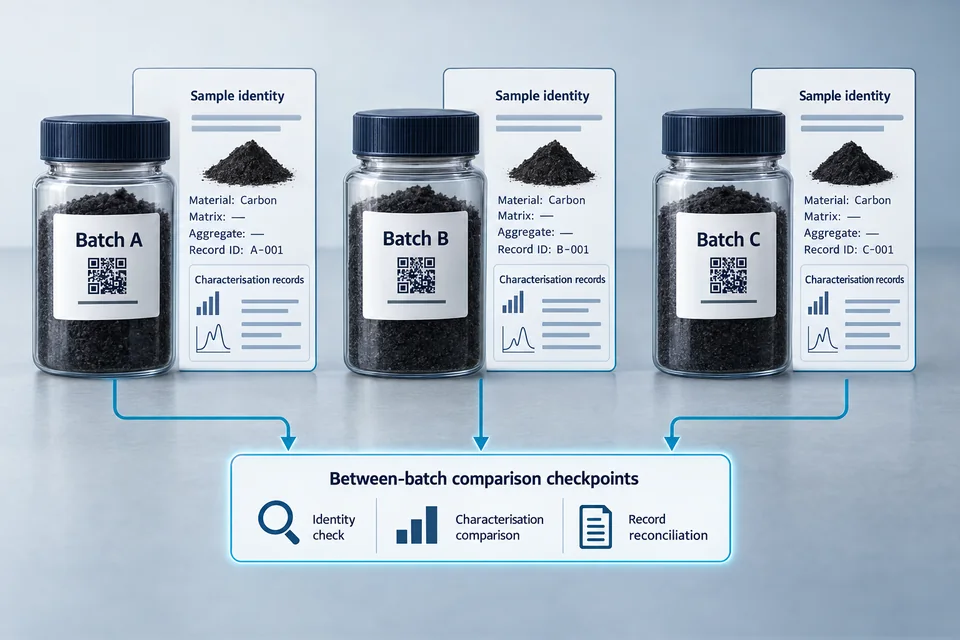
Material identity
Can a specified conductive-carbon material be identified, characterised and controlled batch to batch?
Dispersion
Can low-dose material be dispersed reproducibly without compromising cement chemistry or workability?
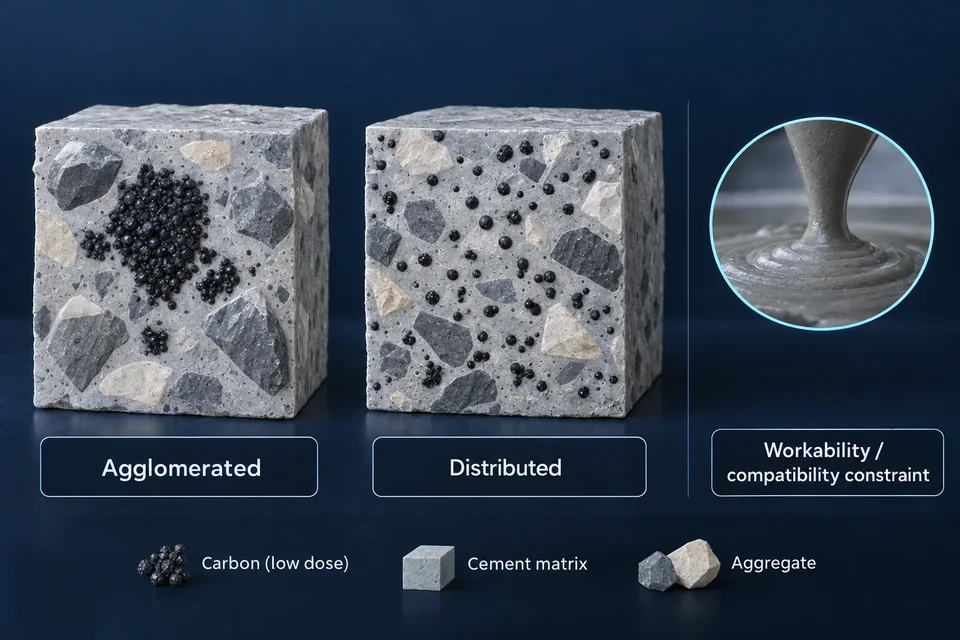
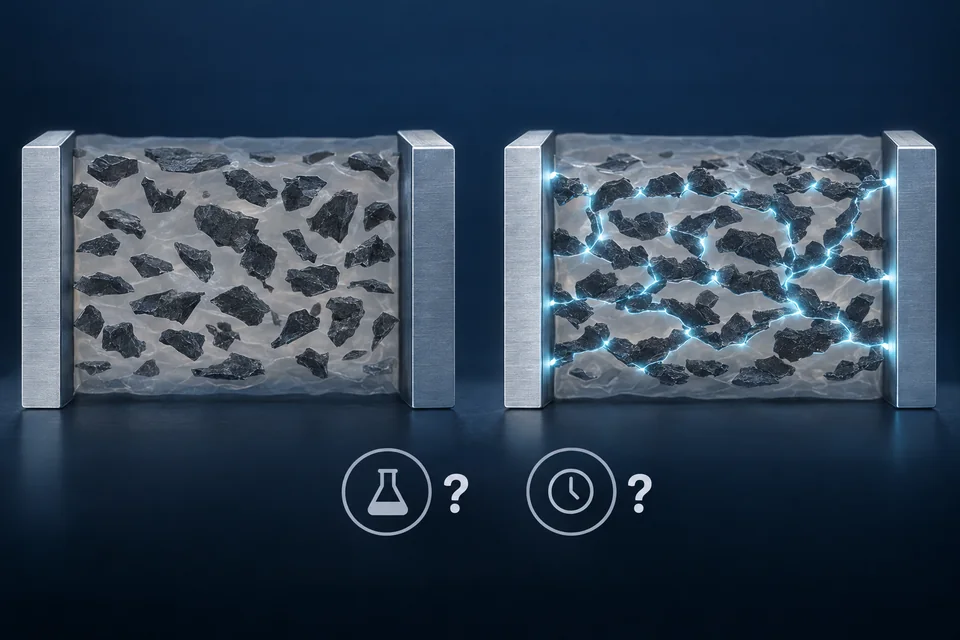
Conductive network
Can a stable, measurable network form at a commercially plausible dosage?
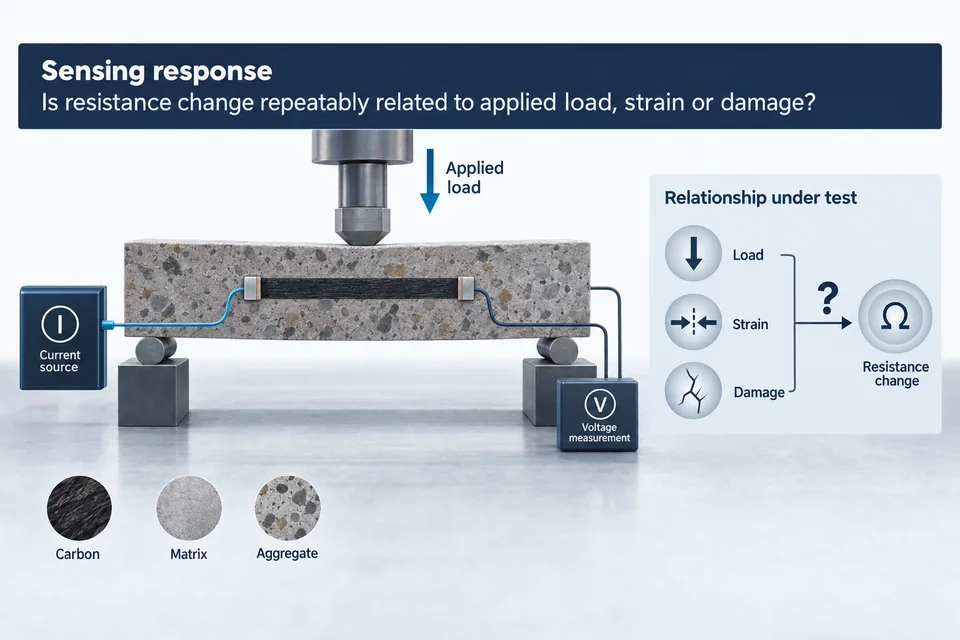
Sensing response
Is resistance change repeatably related to applied load, strain or damage?
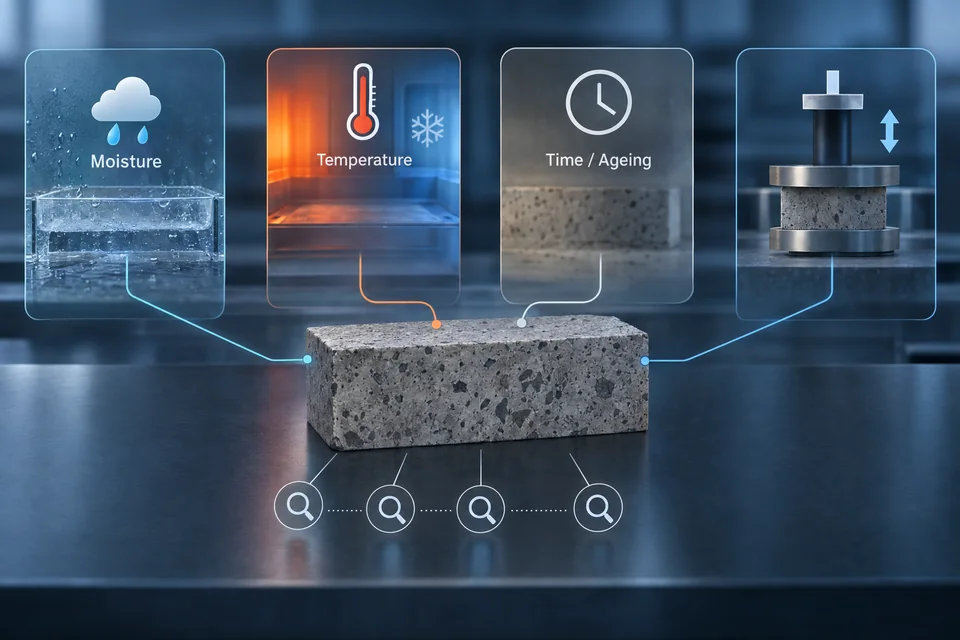
Durability
Does the response remain stable through moisture, temperature, ageing and load cycles?
Manufacturability
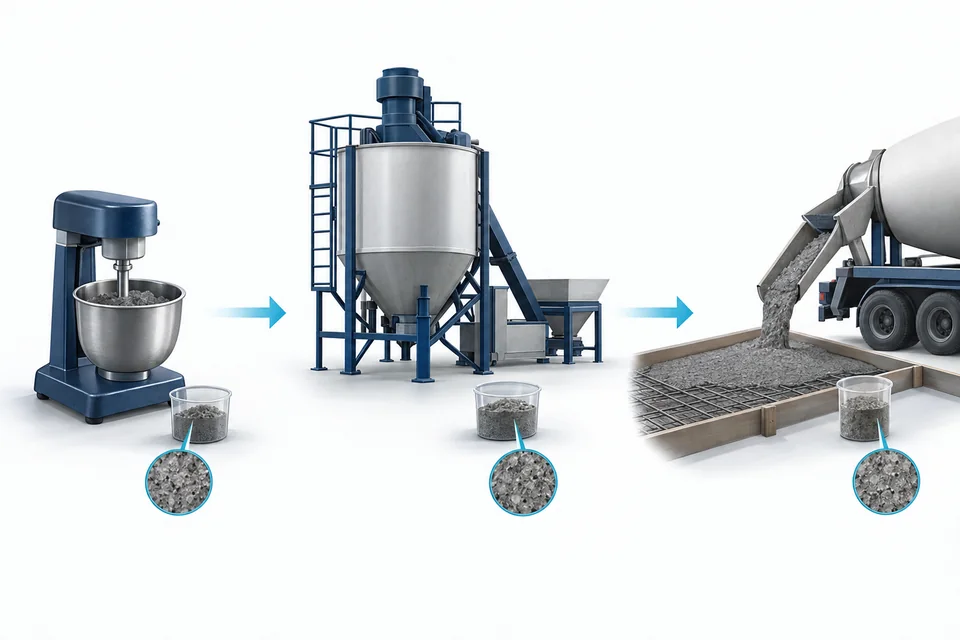
Can the process transfer from bench mixing to field-relevant batching and placement?
DAQ integrity
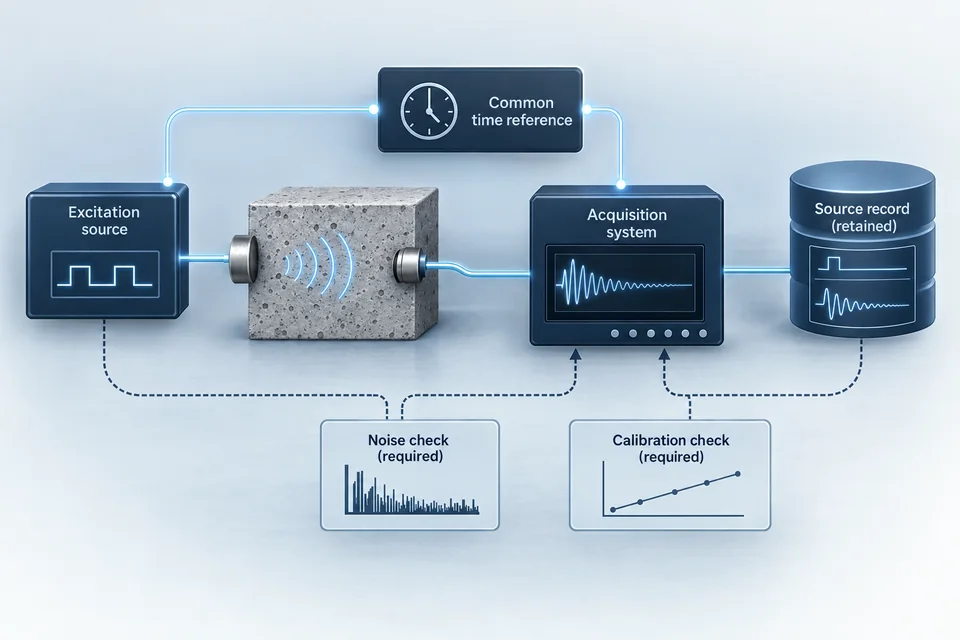
Can excitation and measurement remain traceable, low-noise and synchronised?
Decision value
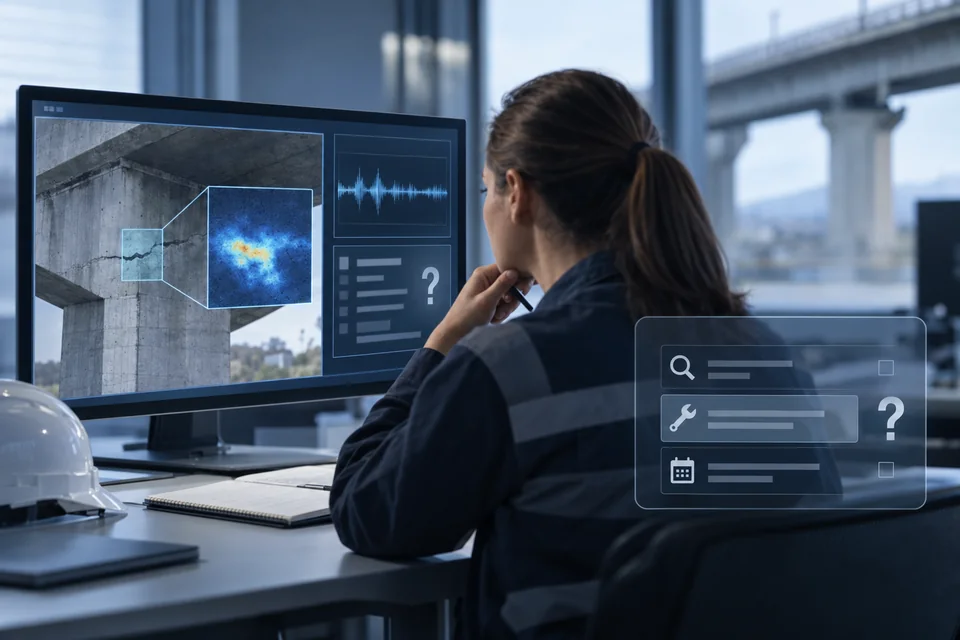
Can PULSE convert signals into information an asset owner can act upon?
Lifecycle case
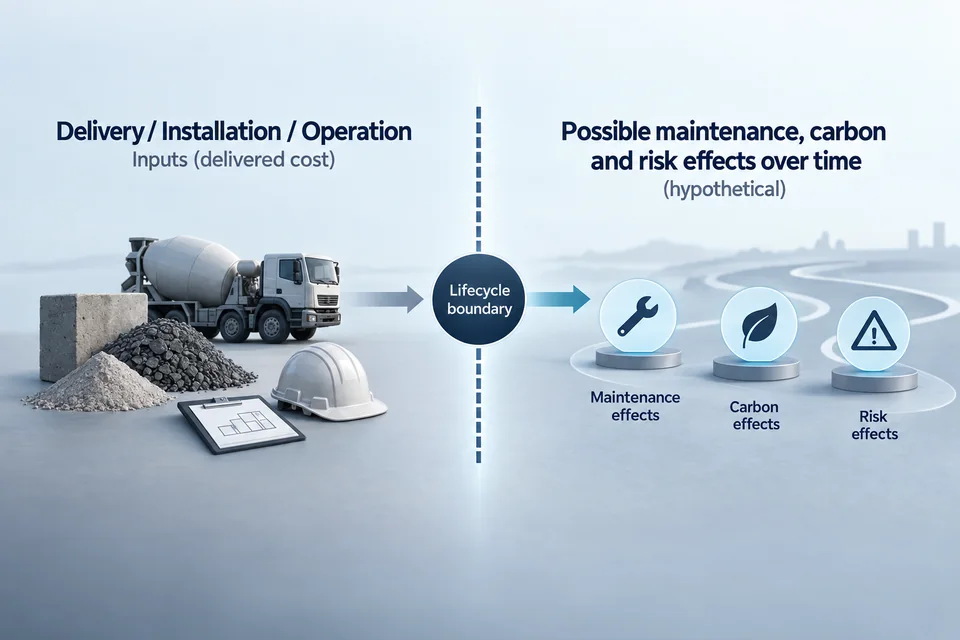
Do maintenance, carbon and risk benefits justify total delivered cost?
Adoption
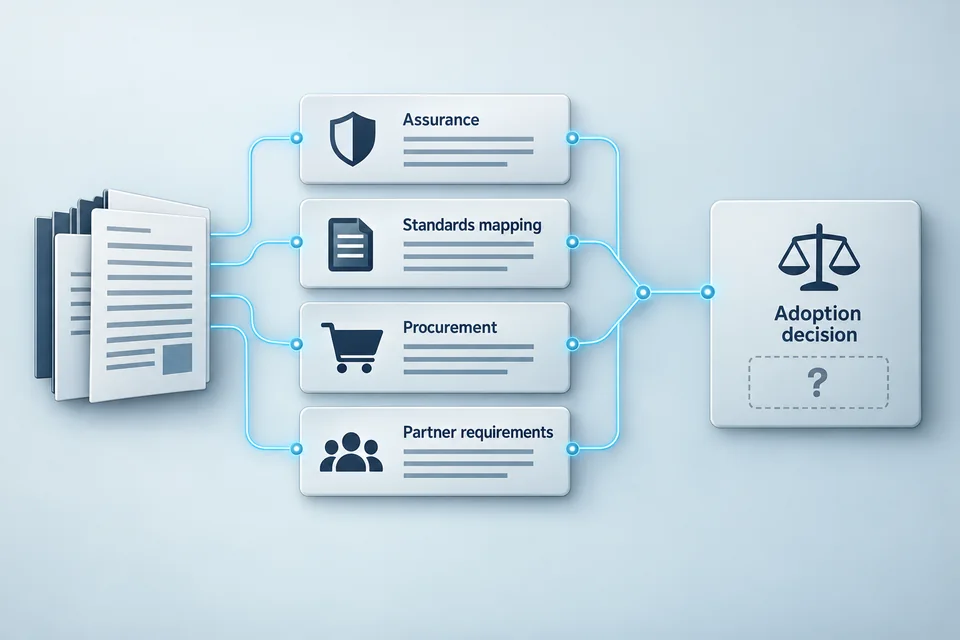
Can the system meet assurance, standards, procurement and partner requirements?
What is—and is not—available today
INFORM is an applied-research and validation programme. Website content is not engineering advice, product certification, an offer of securities or evidence of fitness for a structural application.
Choose the level of detail you need
Continue through the public technology and validation pages, request the ten-hypotheses overview without an NDA, or apply for controlled data-room access.