Graphene-enabled cementitious sensing — open research
INFORMPULSE is seeking research collaboration to investigate whether graphene-family and tyre-derived conductive-carbon cementitious systems can produce repeatable, measurable and engineering-relevant structural-health signals under realistic batching, curing and loading conditions. We invite academic collaboration across materials science, concrete engineering, electrical sensing, DAQ, signal processing, digital twins, lifecycle assessment and research commercialisation. INFORMPULSE is not a finished replacement for existing inspection systems — it is an applied research programme seeking rigorous validation through open, evidence-led collaboration.



How we work
Programme framingOpen research questions
We publish the questions we cannot yet answer. Collaborators engage with genuine unknowns, not pre-determined outcomes.
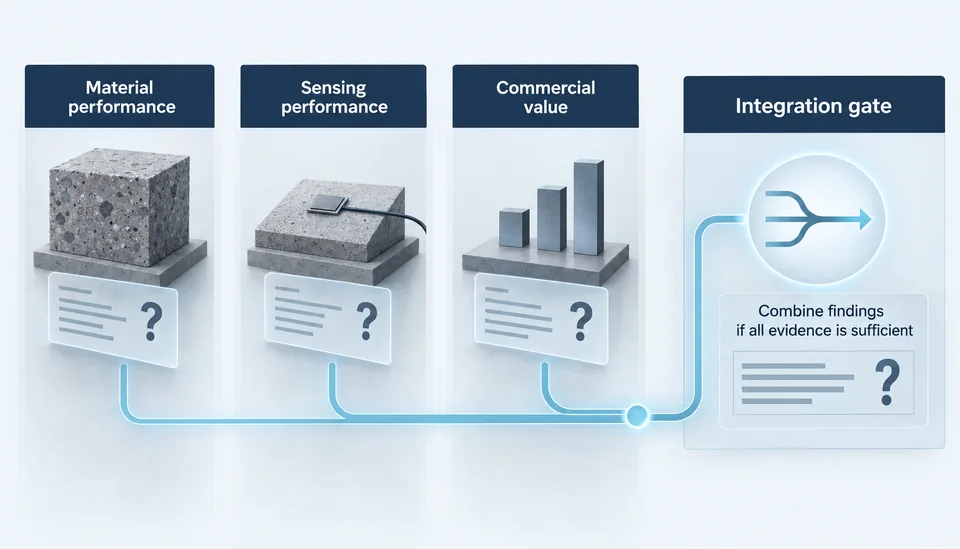
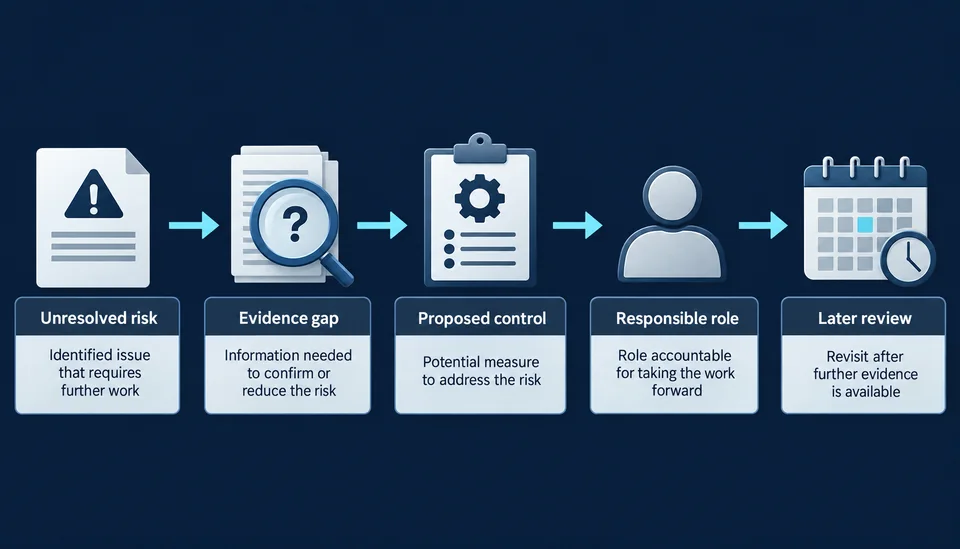
Evidence-gated governance
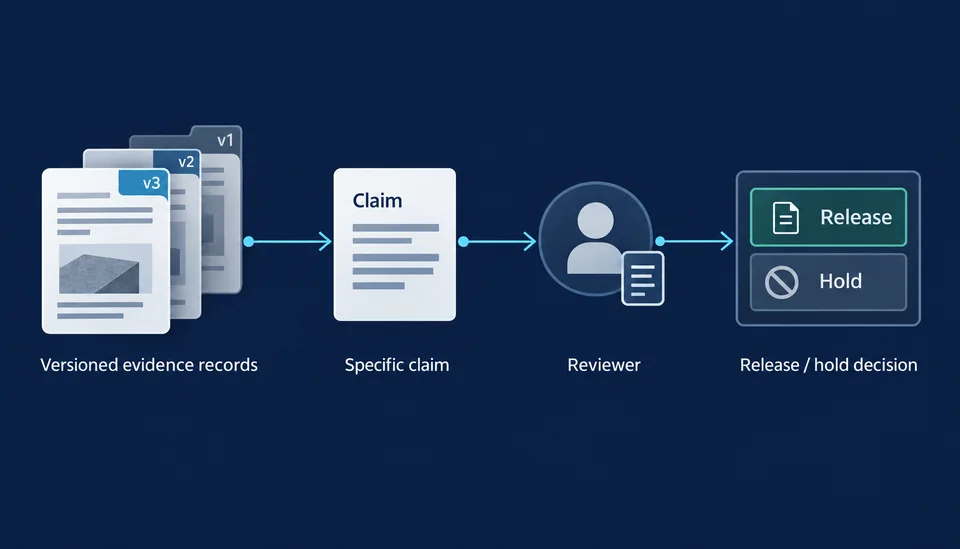
All work packages operate under stage-gate controls. No claim is made before project-specific evidence is verified.
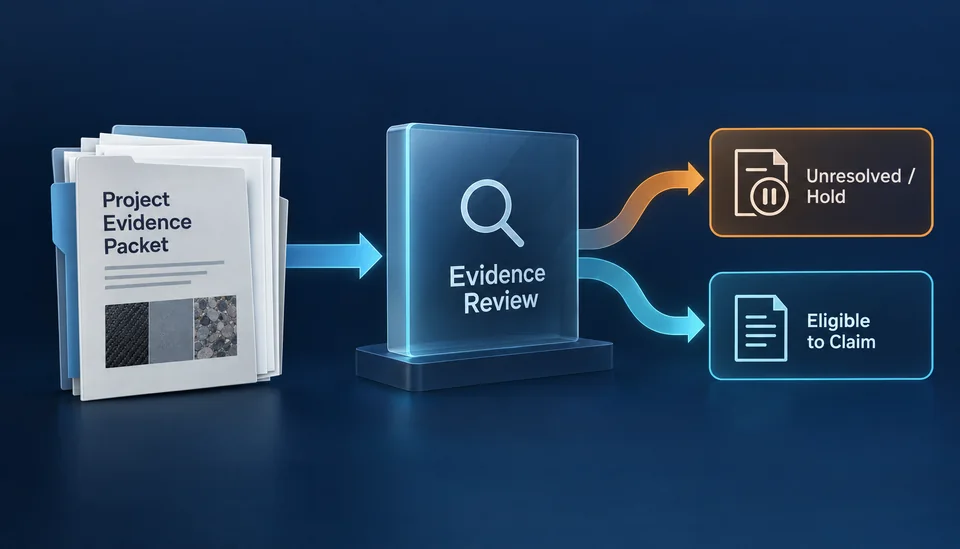
Commercialisation pathway
Successful validation creates a joint pathway to publication, IP strategy, pilot design and potential commercialisation.
The questions INFORMPULSE cannot answer alone
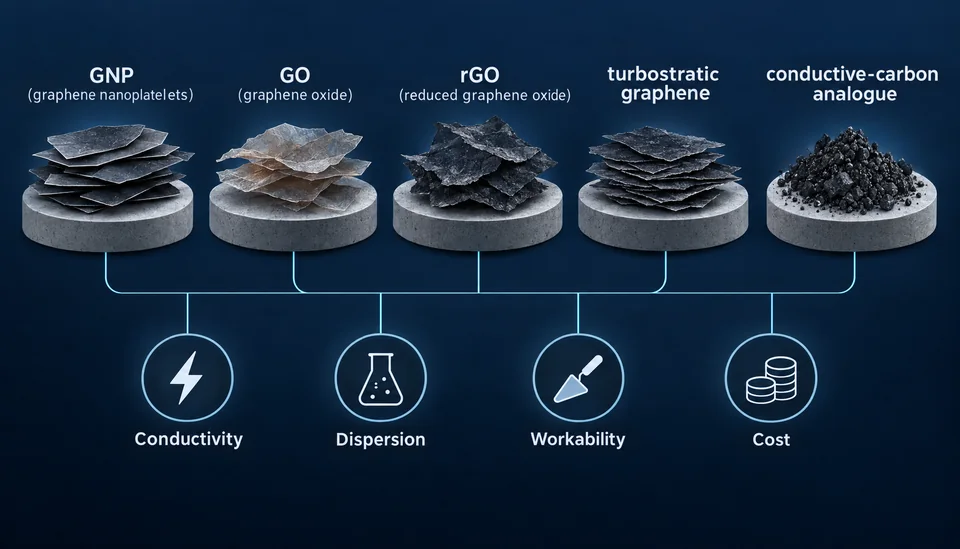
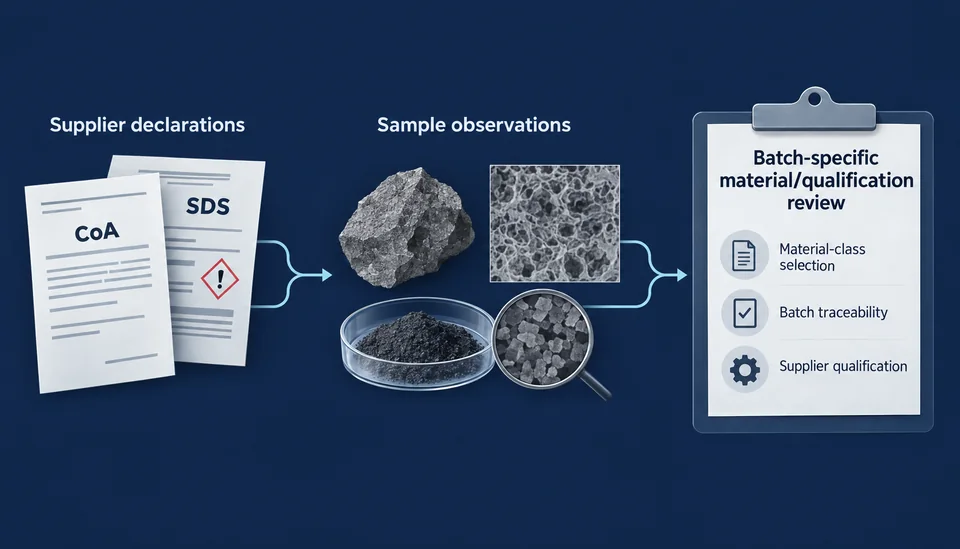
Open research questions Q01–Q08Which graphene-family material class (GNP, GO, rGO, turbostratic graphene, conductive-carbon analogue) provides the best balance of conductivity, dispersion, workability and cost in cementitious systems?
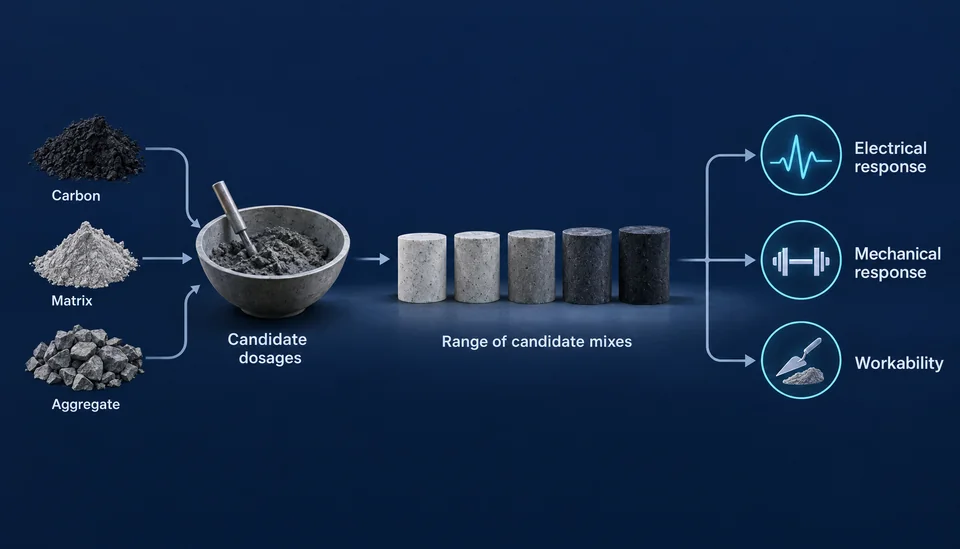
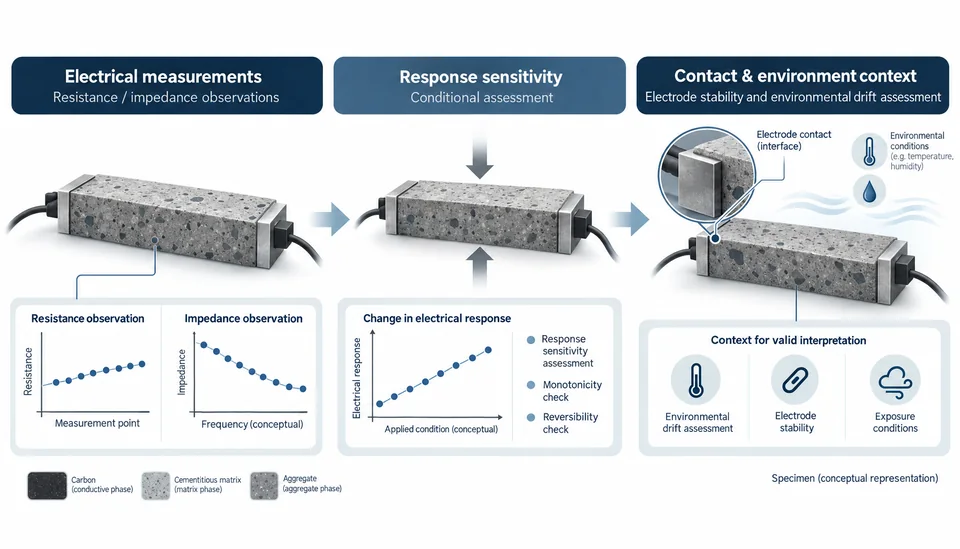
What dosage range produces measurable electrical response without compromising concrete mechanical performance or workability?
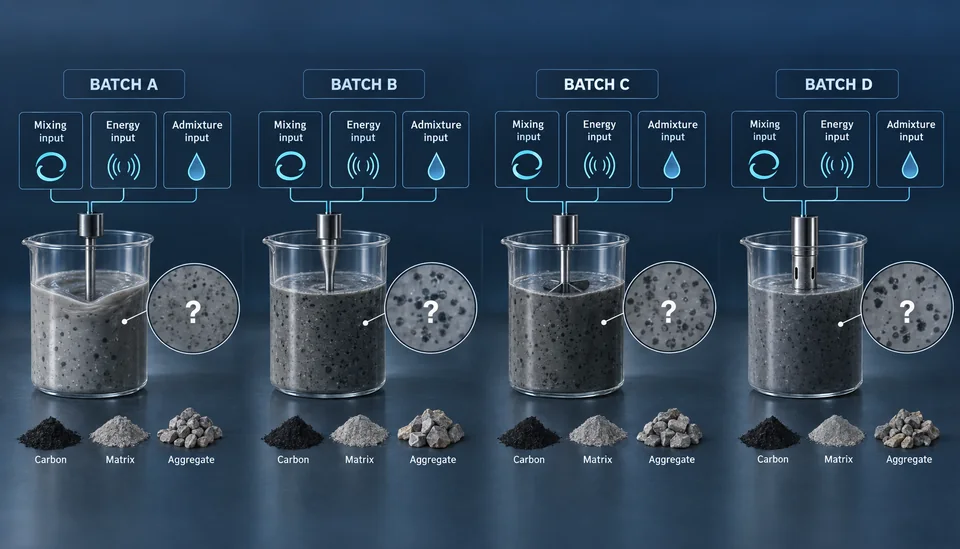
How reproducible is dispersion under practical batching conditions — and what mixing protocol, sonication energy and admixture combination is required?
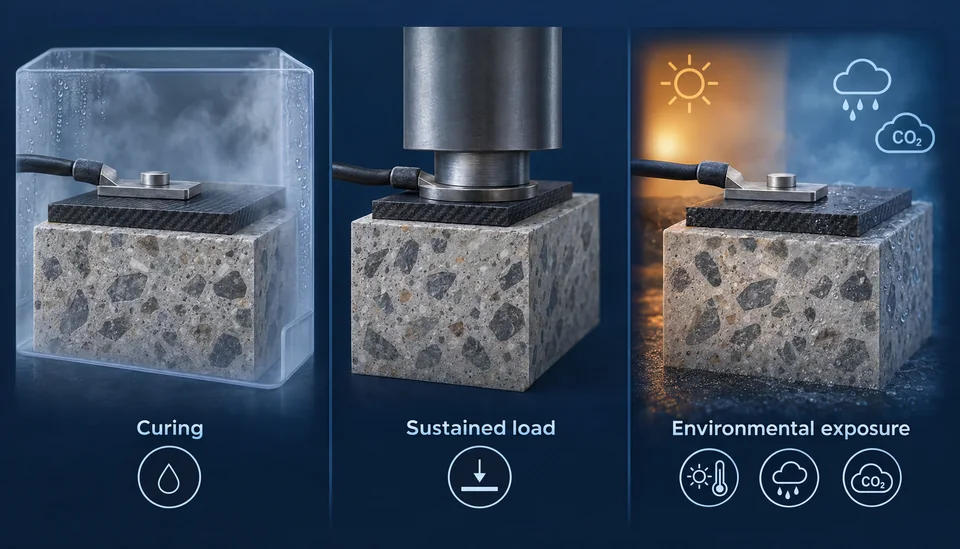
How stable are electrode contacts during curing, sustained loading and environmental exposure (humidity, temperature, carbonation)?
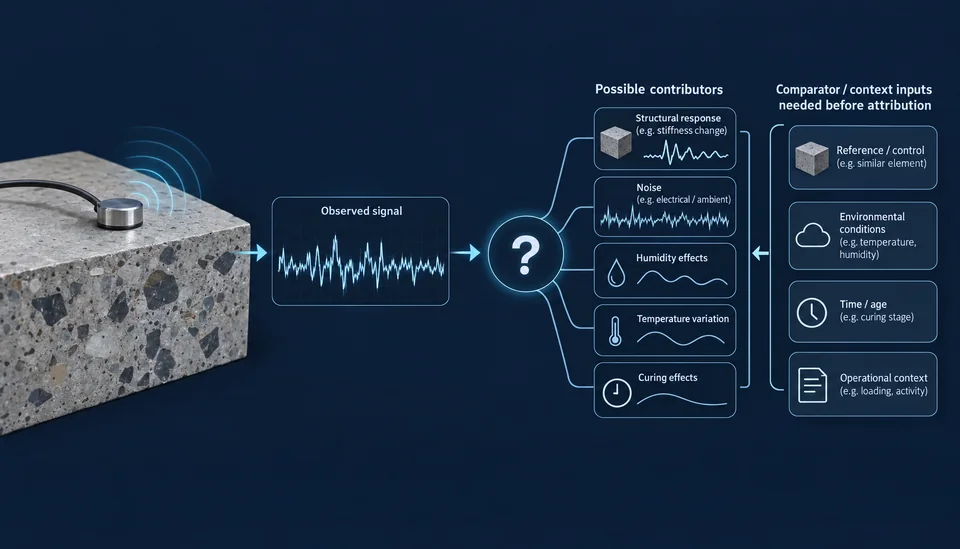
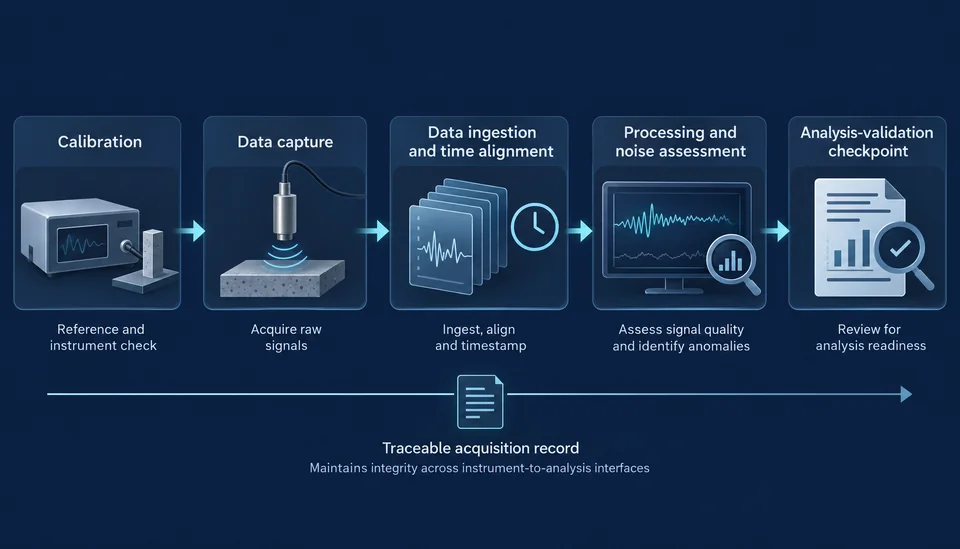
Can DAQ/PULSE analytics distinguish useful structural signal from noise, humidity drift, temperature variation and curing effects?
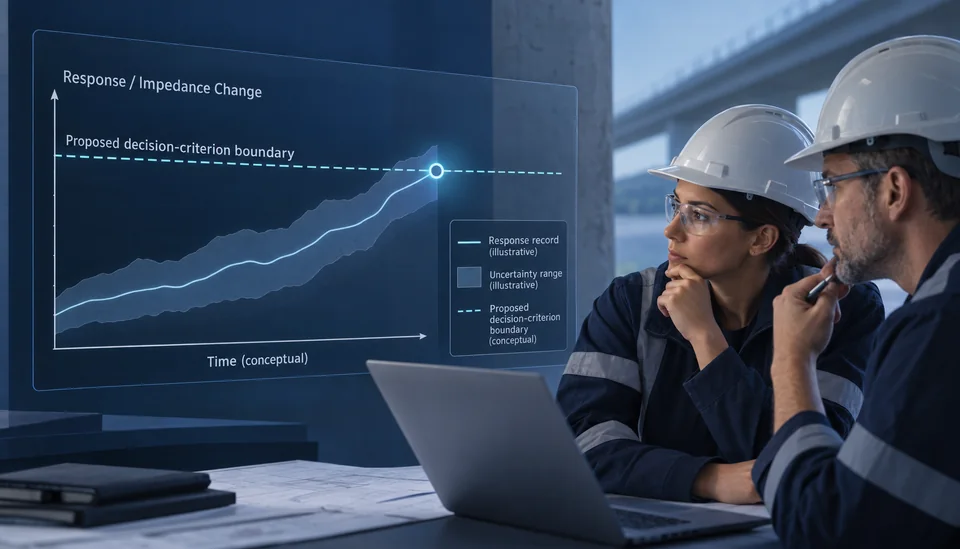
What piezoresistive or impedance response threshold is required to provide decision-relevant information to asset owners and engineers?
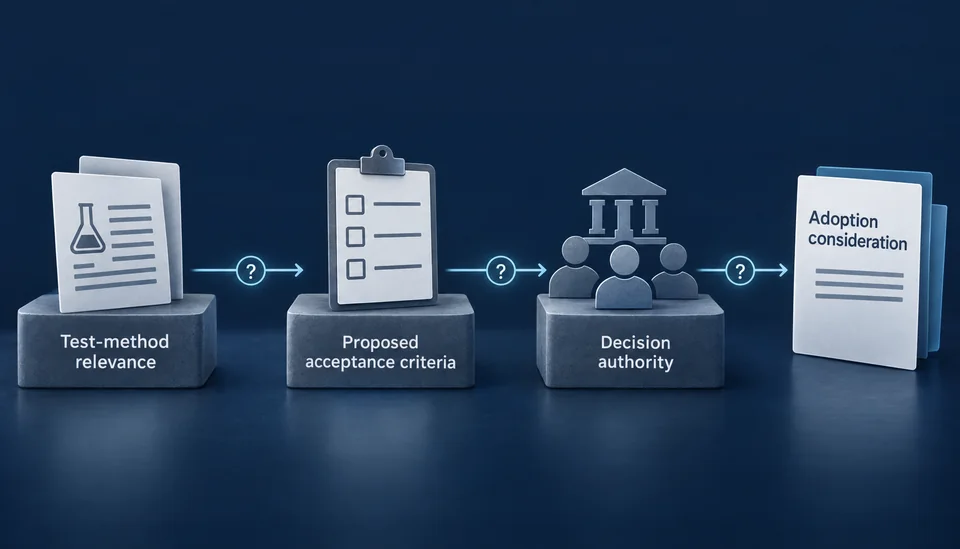
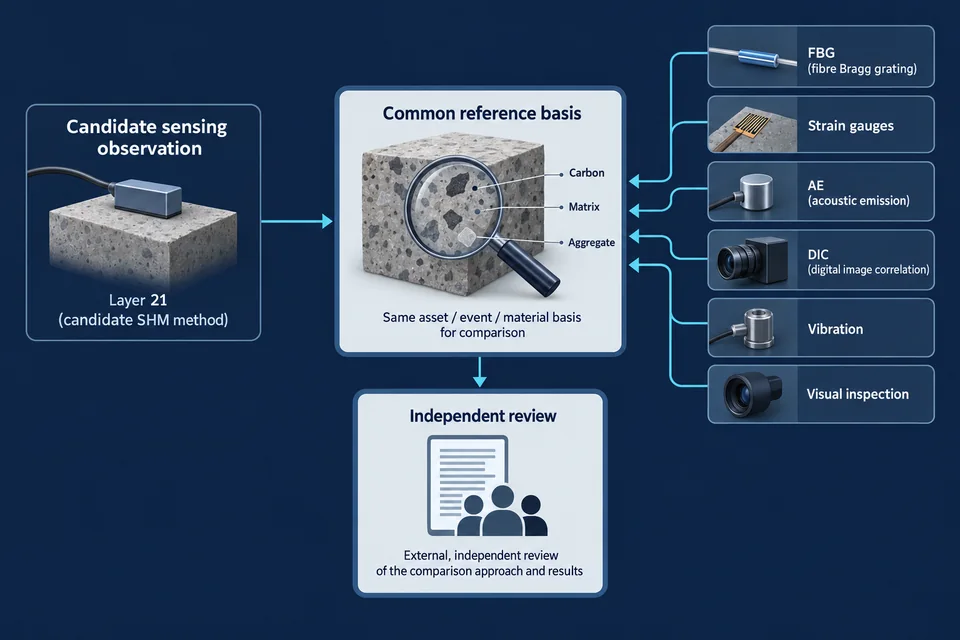
What validation pathway — test standards, acceptance criteria, governance — would be required for adoption by engineers, asset owners, regulators and insurers?
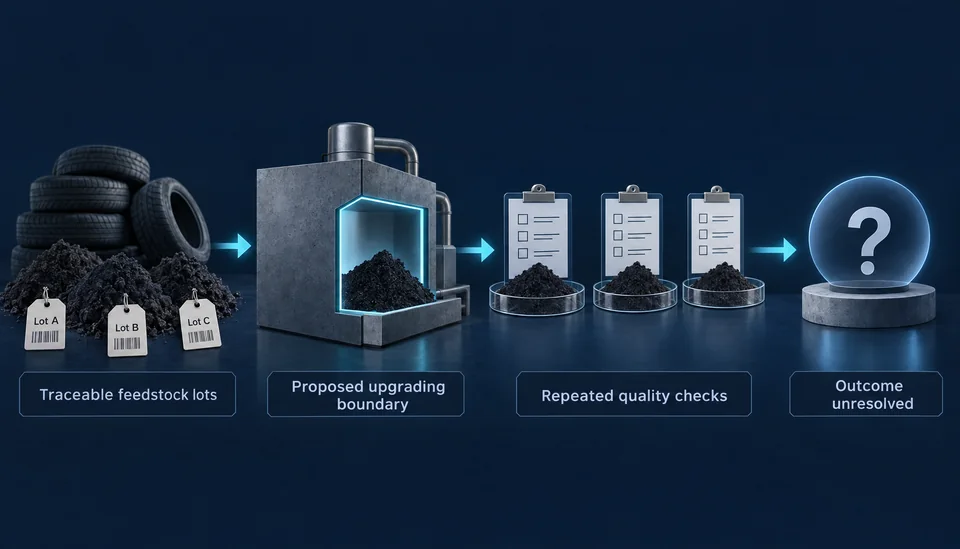
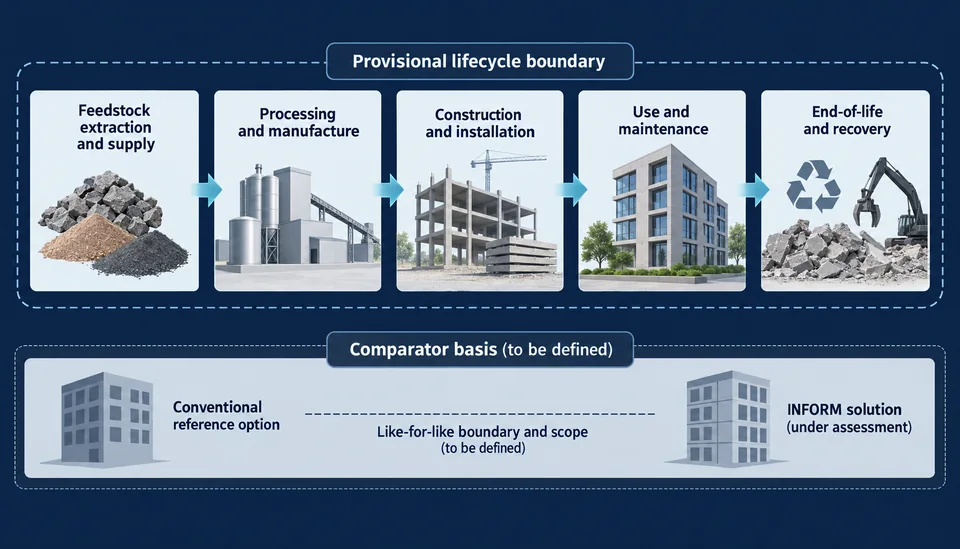
Can a tyre-derived pyrolytic carbon black feedstock be reliably upgraded into a cementitious-grade conductive additive at repeatable quality under INFORM batch conditions?
How collaboration is structured
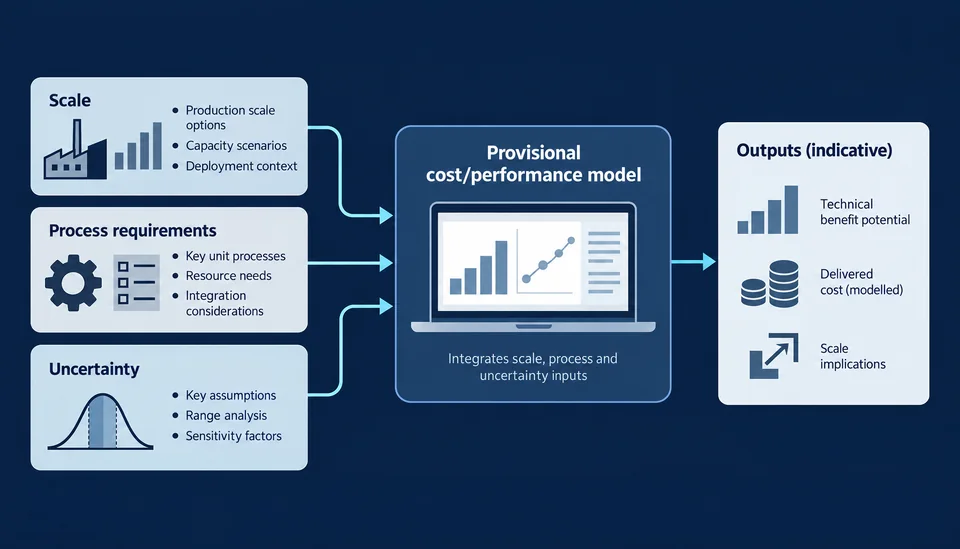
Work-package matrix WP1–WP10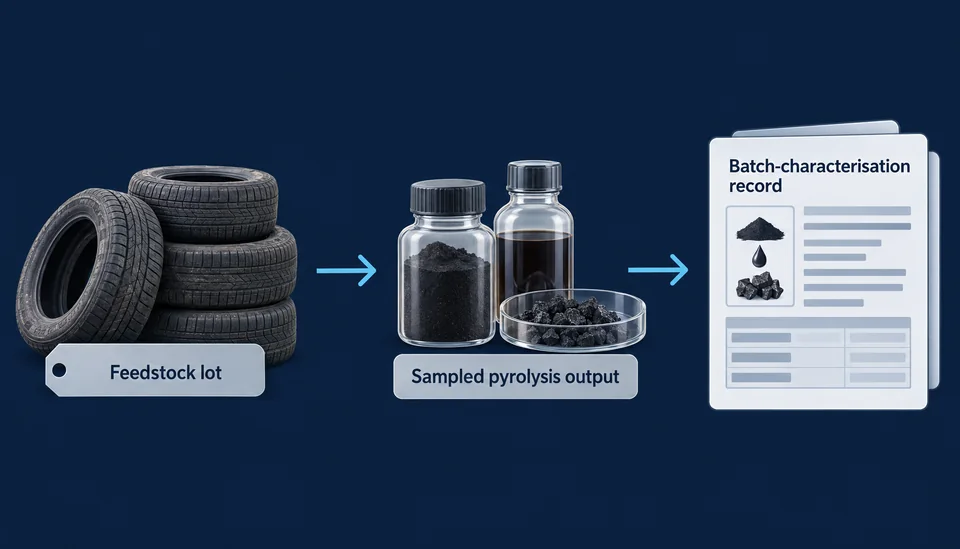
Six-step engagement
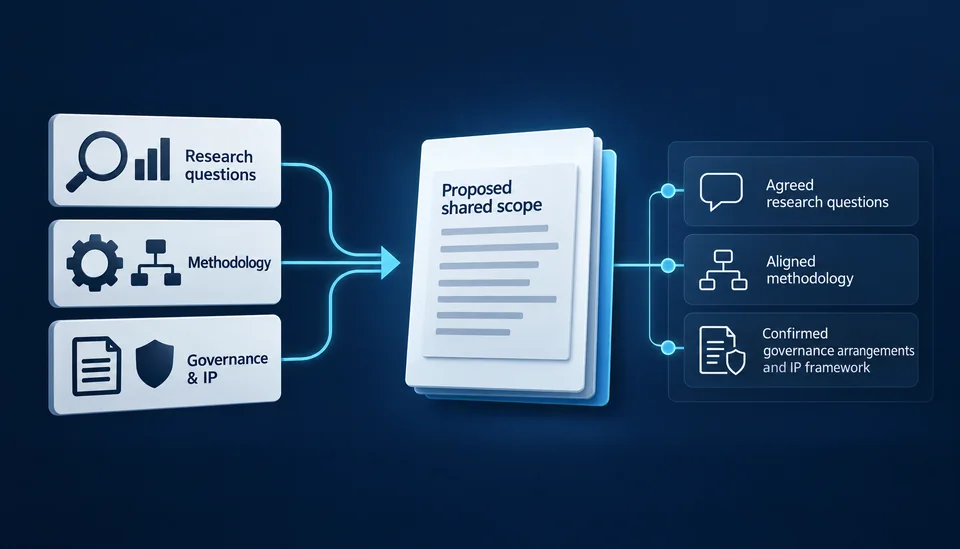
Collaboration pathwayTechnical scoping workshop
Define shared research questions, align on methodology, confirm governance arrangements and establish IP framework.
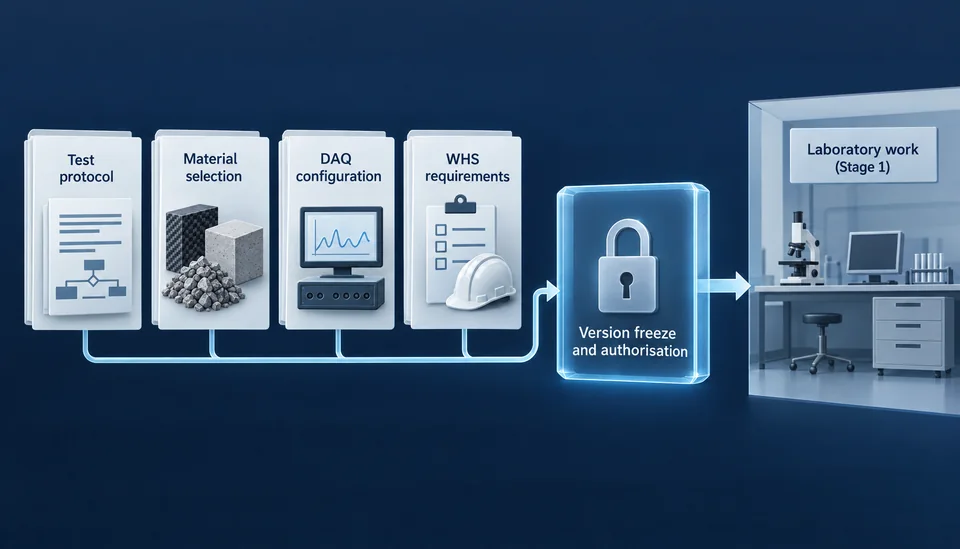
Stage 1 protocol freeze
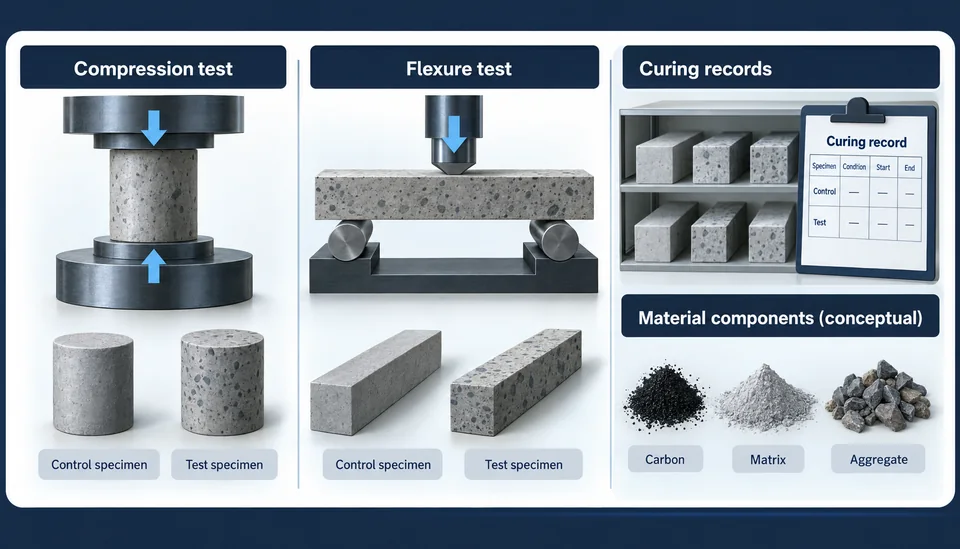
Co-develop and lock the test protocol, material selection, DAQ configuration and WHS requirements before any lab execution.
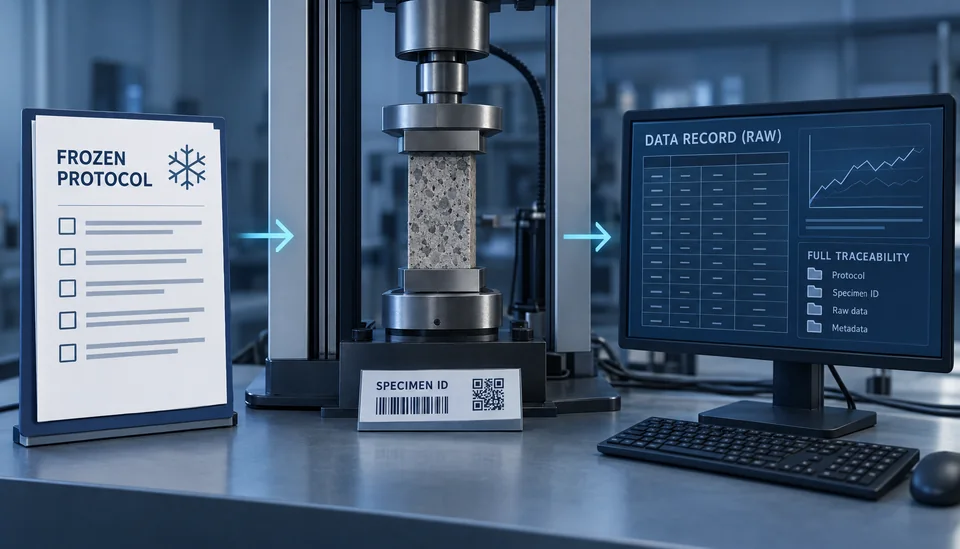
Controlled lab validation
Execute the agreed test programme under frozen protocol. All data logged with full traceability. Results shared with all collaborators under the agreed publication framework.
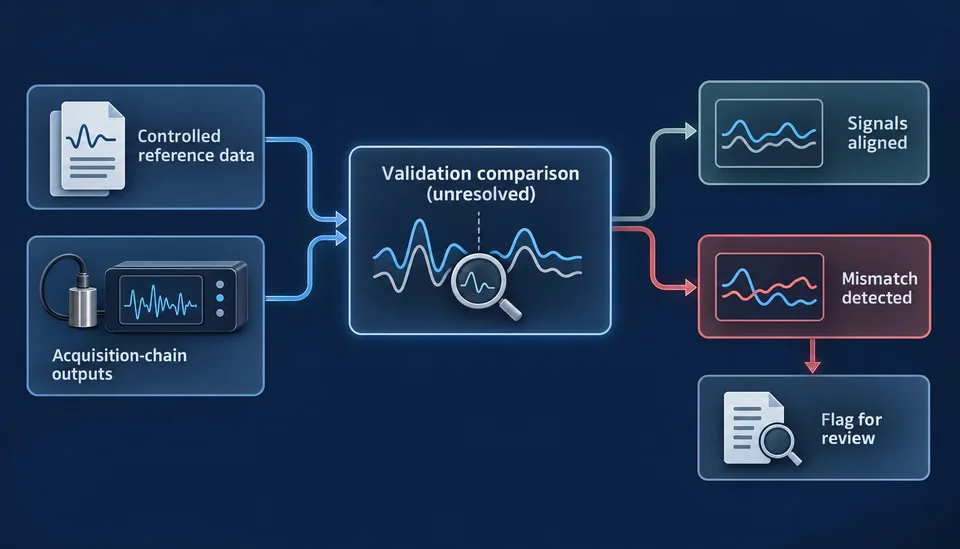
DAQ / PULSE signal validation
Validate signal capture, electrode stability, ingestion pipeline and anomaly-detection classification against controlled test data.
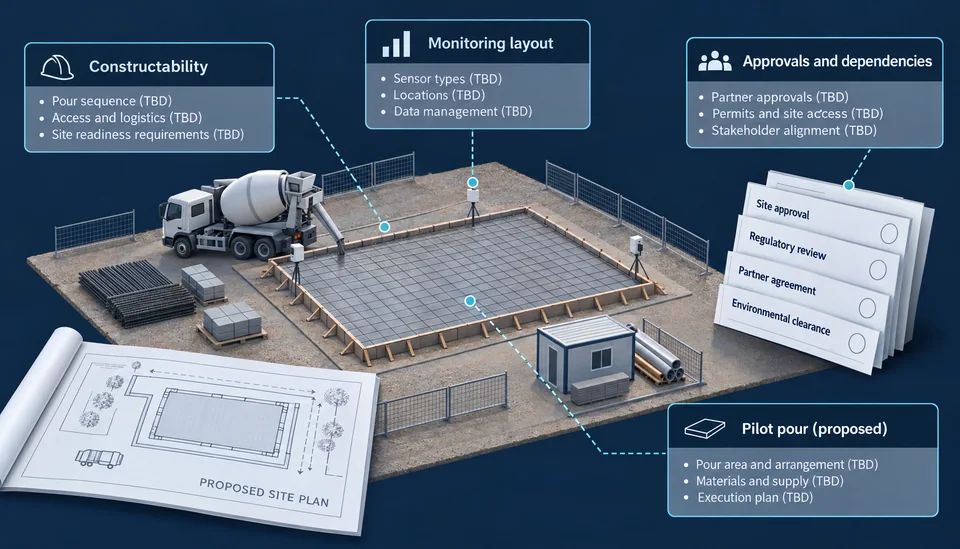
Pilot design
Co-design a field-relevant pilot pour. Define constructability requirements, partner approvals and monitoring architecture.
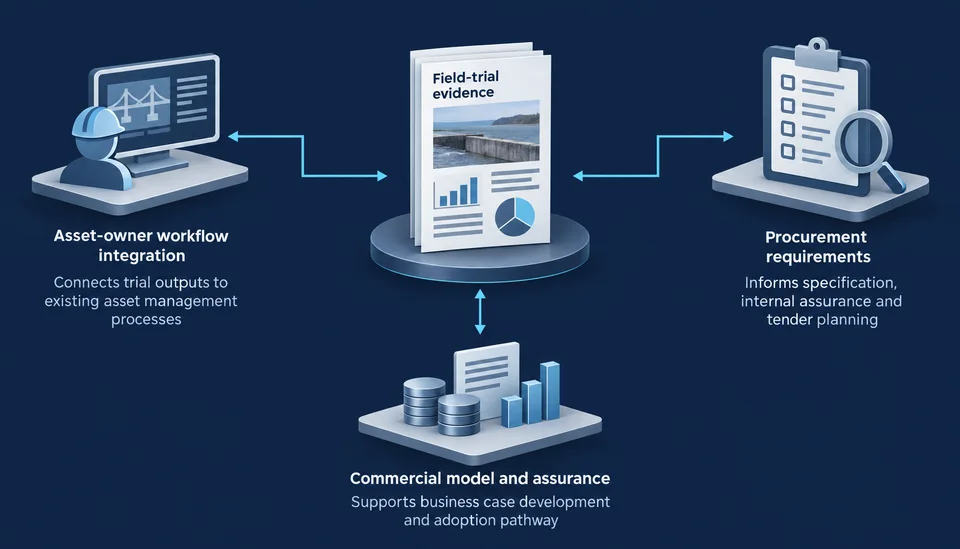
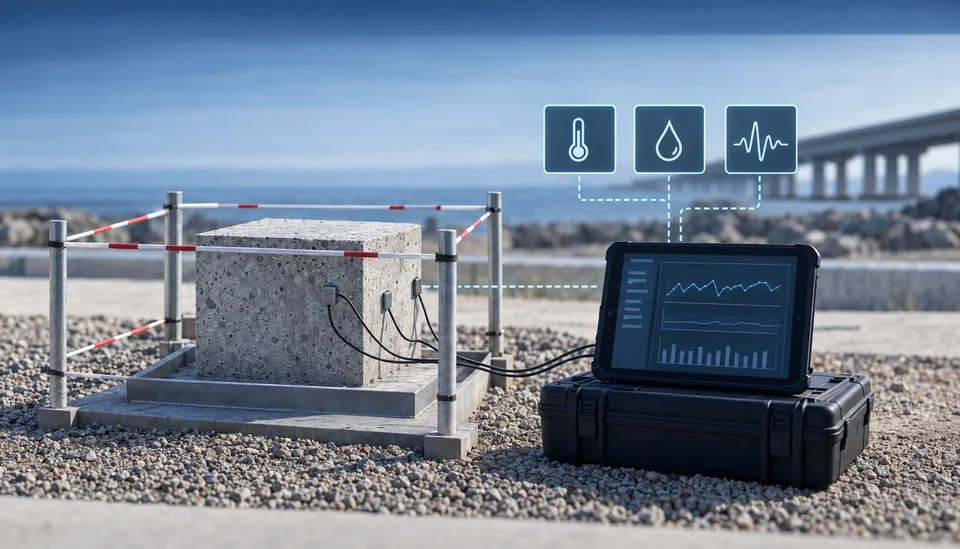
Field trial, publication & commercialisation
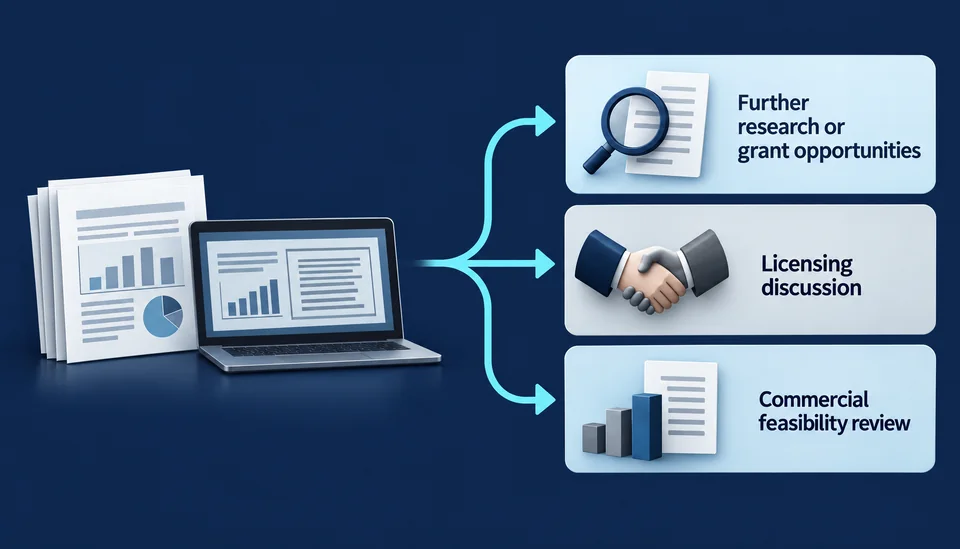
Execute pilot, publish findings under agreed authorship and IP arrangements, and explore joint commercialisation, licensing or further grant opportunities.
How results, IP and data rights are handled
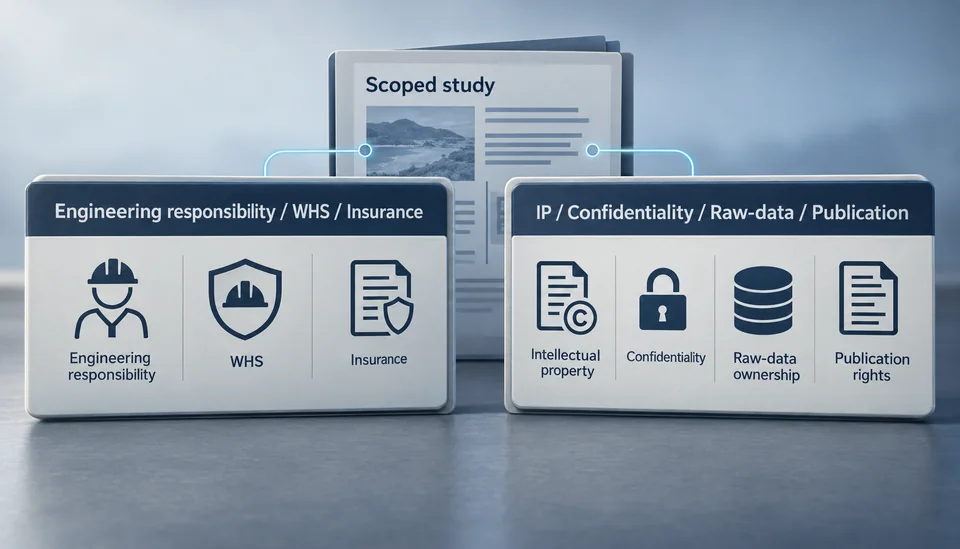
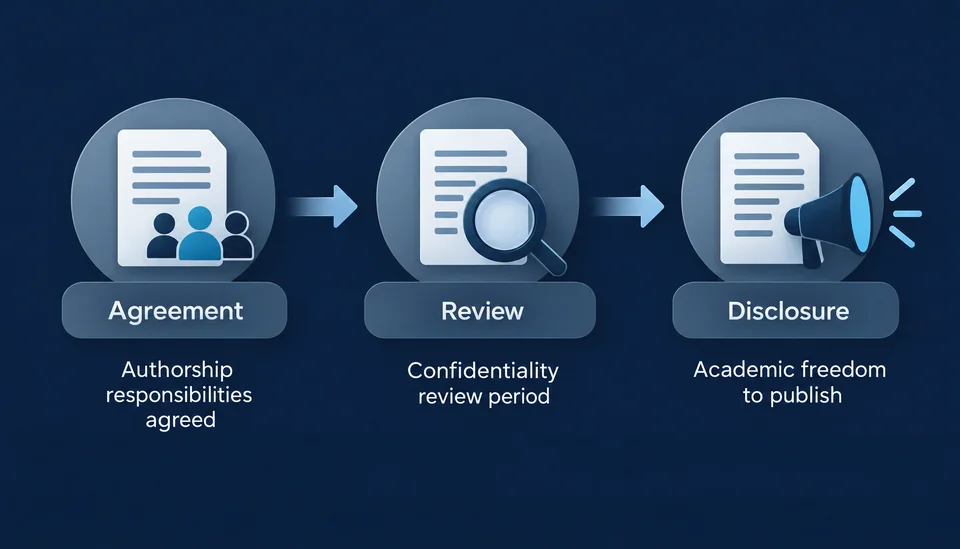
Publication, IP and confidentialityPublication governance
Authorship, timing and pre-publication review arrangements are agreed in writing before lab execution. Researchers retain academic freedom subject to a reasonable confidentiality review period.
IP framework
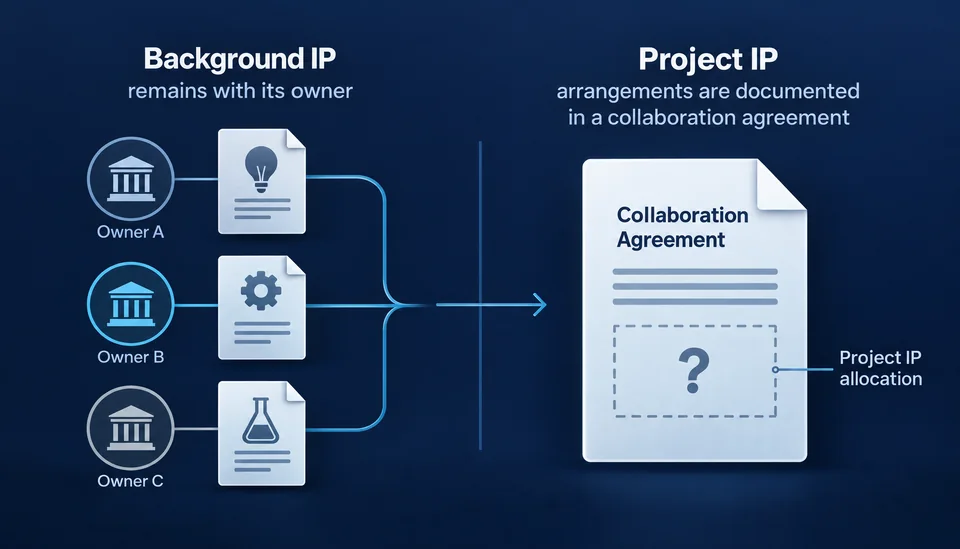
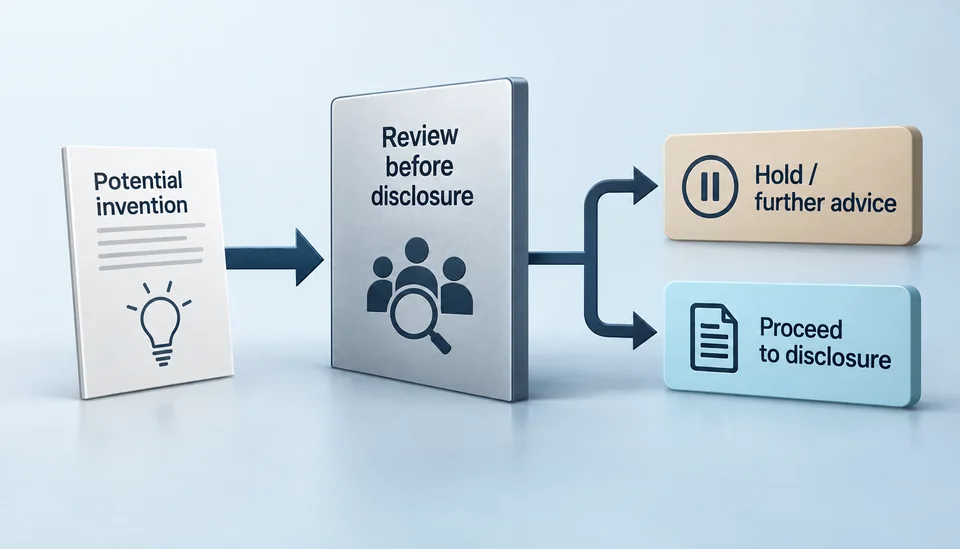
Background IP remains with its owner. Project IP arrangements are documented in a collaboration agreement. Patentable inventions are reviewed before public disclosure.
Data rights
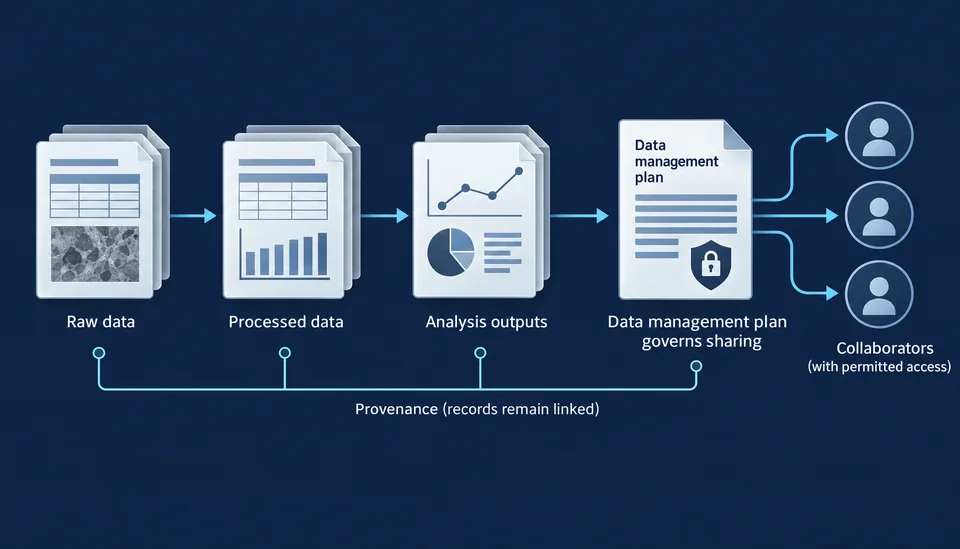
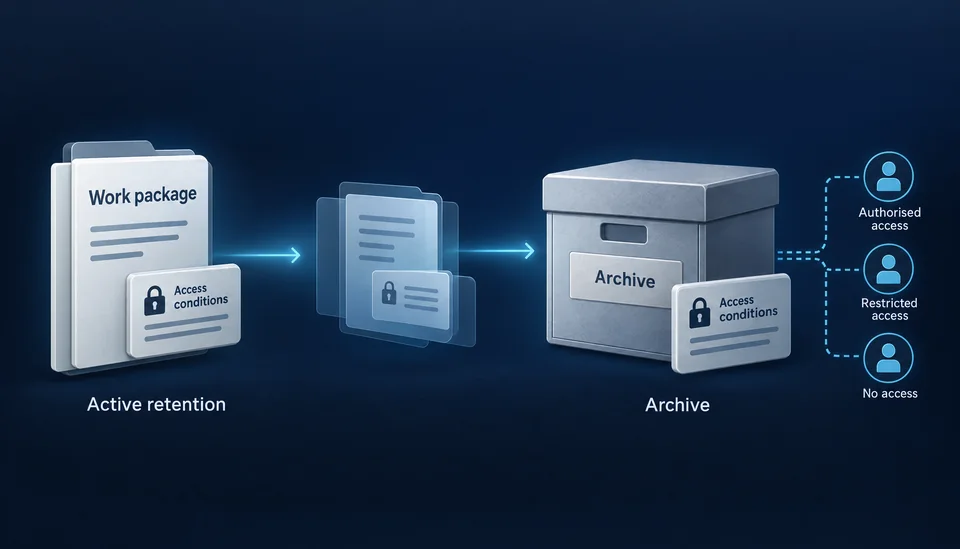
Raw data, processed data and analysis outputs are shared with collaborators under a documented data-management plan. Data retention, archive and access controls are defined per work package.
Confidentiality
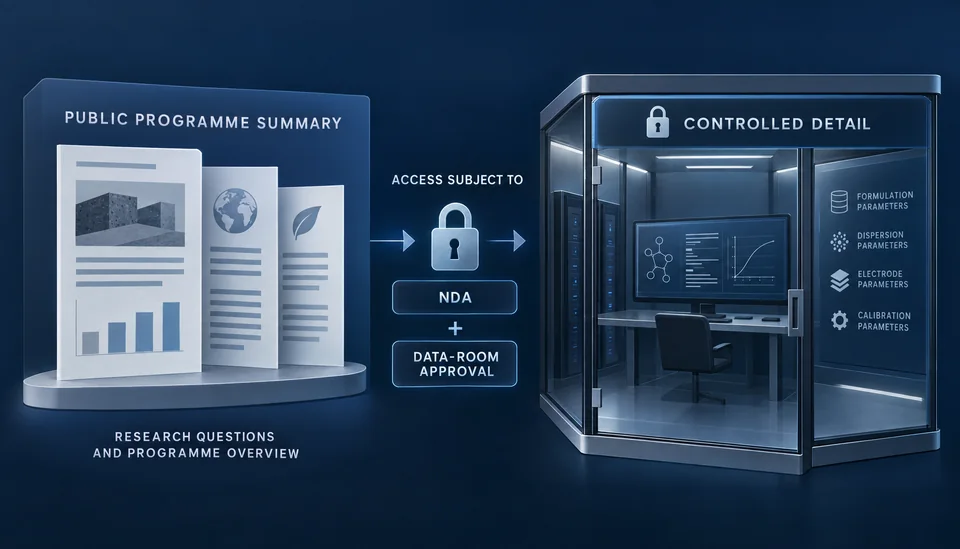
Detailed formulation, dispersion, electrode and calibration parameters are not published publicly and are subject to confidentiality arrangements. Collaborators receive controlled access under NDA and data-room approval.
Discuss research collaboration
Academic and industry researchers are invited to open a conversation with the programme administrator. Collaborators engage with genuine unknowns, not pre-determined outcomes.